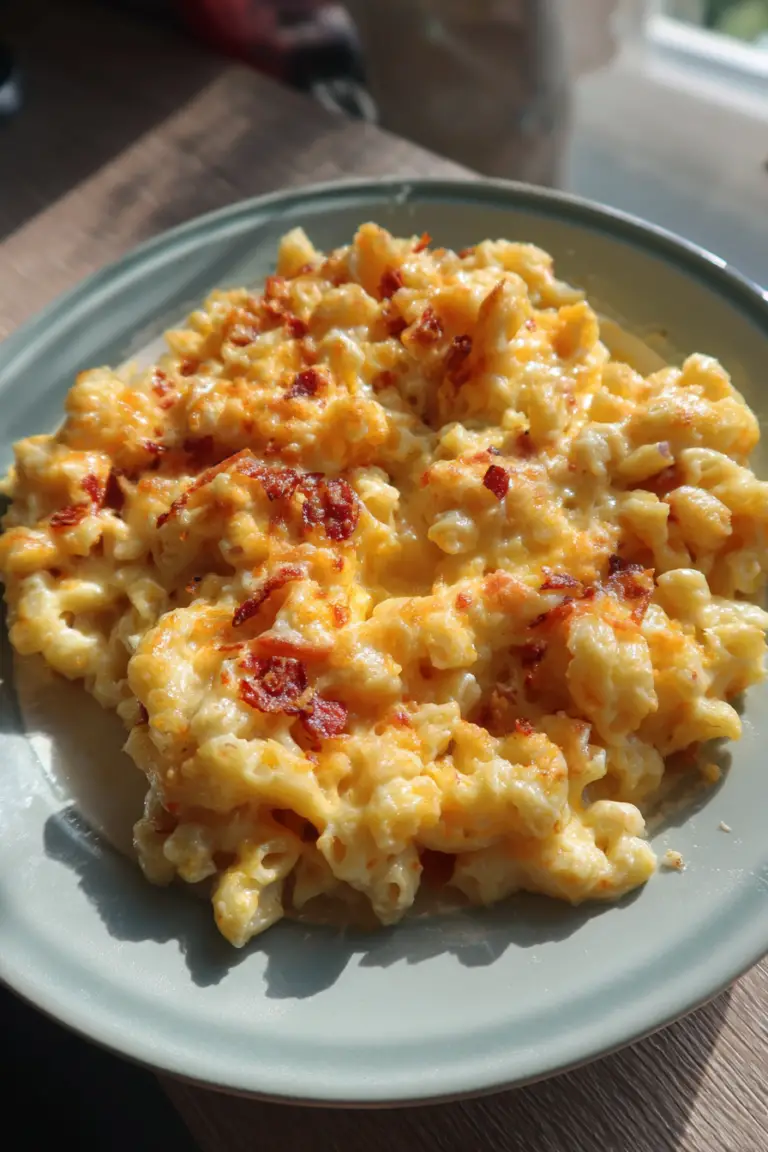
Easy Creamy Mac and Cheese Recipe
Oh man, mac and cheese. It’s funny how some dishes just stick with you, right? For me, this Easy Creamy Mac and Cheese Recipe has been a kitchen buddy for years. I remember the very first time I tried to make it from scratch. I was maybe 22, fresh out of college, and thought, “How hard can it be?” My mom always just made it from the box, bless her heart. So, I found a recipe online that looked simple enough. I ended up with this weird, clumpy, greasy mess that tasted more like a science experiment than comfort food. The cheese sauce separated, the pasta was mushy, and it looked like something the cat dragged in. I actually threw it all out, totally defeated. But I refused to be beaten by a bowl of pasta and cheese. Over the years, through countless tries, some amazing successes, and a good handful of total disasters, I finally figured out the secret to truly creamy, dreamy mac and cheese that always gets rave reviews. This isn’t a fancy, gourmet version; it’s just good, honest, home-style comfort food, the kind that makes you wanna curl up on the couch.
Recipe Card
| Recipe Title | Easy Creamy Mac and Cheese Recipe |
|---|---|
| Servings | 6-8 people |
| Prep Time | 15 minutes |
| Cooking Time | 25 minutes |
| Calories | About 550 per serving (see notes below!) |
Ingredients
- 1 pound elbow macaroni (or other small pasta)
- 1/2 cup (1 stick) unsalted butter
- 1/2 cup all-purpose flour
- 4 cups whole milk, warmed
- 1 teaspoon salt (plus more for pasta water)
- 1/2 teaspoon black pepper
- 1/4 teaspoon ground mustard (or 1 teaspoon Dijon mustard)
- Pinch of cayenne pepper (optional, for a little heat)
- 4 cups (about 1 pound) shredded sharp cheddar cheese
- 2 cups (about 1/2 pound) shredded Gruyere, Monterey Jack, Colby, or a blend
You can use any small pasta here, really. Elbow macaroni is classic, but shells or even rotini work great. Just make sure it’s a pasta that can hold onto that yummy sauce. I once tried making this with spaghetti, just ’cause it was all I had, and it was a tangled mess. Stick to the small, chunky stuff.
Don’t skimp on the butter! This is gonna be the base of our roux, which is super important for a smooth sauce. I tried once to use less butter thinking I was being “healthy” and the roux just clumped up and burned. Trust me, we need the fat here for flavor and texture.
This is the thickening agent for our roux. It’s what gives the sauce its body. Make sure it’s fresh flour, not something that’s been sitting in the back of your pantry for two years, otherwise, it might not work as well. I learned that the hard way when my sauce refused to thicken properly.
Whole milk is your best friend here. Don’t even think about skim or 2%. I once used skim milk ’cause I ran out of whole, and the sauce was thin and watery, completely lacking that rich, creamy mouthfeel. Warming the milk slightly beforehand helps prevent the cheese from clumping when you add it in later, too. That was a game-changer tip I picked up from a friend.
Salt is essential for flavor! You need it in the pasta water, and you need it in the sauce. If you don’t salt your pasta water, the pasta itself will be bland no matter how good your sauce is. I’ve made that mistake more times than I care to admit, and the whole dish just tasted… flat.
A little pepper just adds a nice kick without being overpowering. Freshly ground is always best if you got it.
This is my secret weapon! Ground mustard doesn’t make the mac and cheese taste like mustard, I promise. It just enhances the cheese flavor, making it taste more “cheesy.” I forgot it once and thought something was missing, then remembered this little trick. Don’t skip it!
If you like a tiny bit of warmth, a pinch of cayenne is fantastic. It’s totally optional though, especially if you’re making this for kids. But for grown-ups, it just adds a subtle depth that’s really lovely.
Sharp cheddar is king! I love a good sharp cheddar because it brings so much flavor. Pre-shredded cheese is convenient, but it often has anti-caking agents that can make your sauce a little grainy. If you have time, shred your own – it makes a noticeable difference in creaminess. I once bought a giant bag of mild cheddar on sale, and while it was okay, it just wasn’t the same. Sharp cheddar is where it’s at.
Mixing cheeses is key to a complex flavor. Gruyere is amazing for melting and adds a nutty flavor, but Monterey Jack or Colby are also fantastic for creaminess. Don’t be afraid to experiment! I usually use whatever good melting cheese is on sale. Sometimes I even throw in a little smoked gouda if I’m feeling fancy. I experimented with just one type of cheese once, and it tasted kinda one-note. A blend really elevates it.
Directions
- Cook the pasta: Bring a large pot of salted water to a rolling boil. Add the elbow macaroni and cook according to package directions until al dente. Drain well and set aside.
- Make the roux: In a large, heavy-bottomed pot or Dutch oven, melt the butter over medium heat. Once melted, add the flour and whisk constantly for 1-2 minutes until a smooth paste forms and cooks slightly.
- Whisk in milk: Gradually whisk in the warm milk, a little at a time, making sure to incorporate each addition fully before adding more. Continue whisking until the sauce starts to thicken and is smooth, about 5-8 minutes.
- Season the sauce: Reduce the heat to low. Stir in the salt, black pepper, ground mustard, and cayenne pepper (if using).
- Add the cheese: Remove the pot from the heat. Add the shredded cheeses in handfuls, stirring constantly until fully melted and smooth. Do not boil the sauce once the cheese is added, or it can become grainy.
- Combine with pasta: Add the drained cooked macaroni to the cheese sauce and stir gently to coat all the pasta evenly.
- Serve immediately: Dish it up while it’s warm and gooey!
Okay, let’s talk about those directions, ’cause some steps are sneakier than they look. That “make the roux” step, number two, is where I had my biggest fail early on. I rushed it, had the heat too high, and the flour burnt to the bottom of the pan faster than I could blink. It smelled awful, tasted even worse, and basically ruined the whole batch. The trick is medium heat and *constant* whisking. Don’t walk away! Cook it for at least a minute or two to get rid of that raw flour taste. If you see any brown bits or smell anything burnt, just start over. It’s worth it for a smooth sauce.
And then step five, adding the cheese. This is another crucial one. I learned the hard way that if your sauce is still boiling or too hot when you add the cheese, it can separate, leaving you with an oily, grainy mess instead of a silky sauce. Take it off the heat! Seriously. Just remove the pot from the burner, then slowly add the cheese, stirring until it melts. It still melts beautifully off the heat, I promise. This step alone saved so many batches from disaster. It’s all about patience with these kinds of things.
You know, this Easy Creamy Mac and Cheese Recipe has become such a comfort food staple in my house. It’s perfect for a chilly night, a lazy Sunday, or when you just need a big hug in a bowl. It’s one of those recipes that kids adore, and adults secretly can’t get enough of. I’ve made it for countless potlucks, family dinners, and even just for myself when I needed a pick-me-up. I love that it feels fancy enough to share, but truly, it’s just easy.
The best part? The leftovers are surprisingly good. I mean, it’s never quite as gooey as fresh, but a little splash of milk and a gentle reheat on the stove or even in the microwave, and it comes back to life pretty well. It’s a great make-ahead dish if you’re feeding a crowd, just don’t add the pasta until you’re ready to serve, or at least keep them separate until reheating. I tried making a whole giant batch and freezing it once, but the texture was a bit off after thawing. Better to make it fresh or keep the sauce and pasta separate for a day or two in the fridge.
I honestly wouldn’t change much about this recipe because it’s so solid. It’s a classic for a reason. Sometimes I think about trying to sneak in some pureed squash for extra nutrients, but then I remember how much joy a pure, unadulterated bowl of mac and cheese brings, and I just lean into the comfort food aspect. It’s not meant to be a healthy salad, it’s a treat! And sometimes, you just need a treat.
Nutrition Info (per serving)
| Calories | Carbs | Fat | Protein |
|---|---|---|---|
| ~550 | ~45g | ~30g | ~25g |
Okay, let’s be real, this isn’t exactly diet food, right? The nutrition info doesn’t surprise me at all; it’s butter, flour, whole milk, and a whole lotta cheese! I haven’t really made it lighter because, honestly, I feel like you start losing the essence of what makes mac and cheese so good if you mess with the core ingredients too much. I’ve tried low-fat cheese once, and it just didn’t melt right, leaving the sauce a weird, stringy mess. If you’re looking for a healthier option, this probably isn’t the recipe for your everyday meal. It’s definitely a special occasion or comfort food kind of dish. For people with special diets, like gluten-free, you could try gluten-free pasta and a gluten-free flour blend for the roux. I’ve had some luck with that, but the texture of the sauce can be a tiny bit different.
Ingredient Swaps
| Ingredient | Substitution |
|---|---|
| Elbow Macaroni | Shells, Rotini, Penne |
| Sharp Cheddar | Medium Cheddar, Monterey Jack, Fontina |
| Gruyere | Smoked Gouda, Provolone, Muenster, more Monterey Jack |
| Whole Milk | Evaporated Milk (for extra creaminess), Half-and-Half |
| Ground Mustard | Dry Sherry (a splash), a tiny bit of paprika |
Alright, let’s talk swaps. The pasta swaps? Totally fine, go for it! Shells are probably my favorite alternate because they cup that sauce so well. As for the cheese, you’ve got options. I’ve used medium cheddar, and it’s decent, but you lose a bit of that robust flavor. Monterey Jack is awesome for meltiness. I tried Fontina once, and it gave it a really nice, slightly nutty, fancy restaurant feel. Smoked gouda instead of Gruyere is a winner if you like a smoky flavor – it’s delish! But I once tried using mozzarella as a primary cheese, and that was a fail. It got really stringy and didn’t blend into a smooth sauce very well at all. It’s better as a minor player in a cheese blend. For milk, evaporated milk makes it unbelievably creamy and rich, but it can be a bit heavy. I wouldn’t use skim, ever, for reasons already mentioned. As for the ground mustard, a tiny dash of dry sherry can give a similar depth, but it’s not quite the same. Paprika adds a nice color and a hint of something, but the mustard really is special for cheese enhancement. So, some swaps work great, some change the flavor a lot, and some are just disasters!
Tips
- **Shred your own cheese:** Seriously, pre-shredded cheese has anti-caking agents that can make your sauce slightly grainy. Freshly shredded melts like a dream.
- **Warm the milk:** A slightly warm milk will incorporate into the roux more smoothly and prevent shocking the cheese later, which helps keep your sauce silky.
- **Don’t boil the cheese sauce:** Once you add the cheese, take the pot off the heat. High heat can make the cheese separate, leaving you with an oily, clumpy sauce.
- **Salt the pasta water:** This is non-negotiable for flavorful pasta. It’s your first layer of seasoning.
- **Be patient with the roux:** Cook the flour and butter for at least 1-2 minutes over medium heat to cook out the raw flour taste, but don’t burn it!
Okay, I wish someone had told me these tips when I first started! That “shred your own cheese” thing? I totally ignored it for years, thinking it was just extra work. Then one time, I was having a really important dinner party, and I decided to go all out and shred everything by hand. The difference was *night and day*. The sauce was so much smoother, so much silkier, it was incredible. I actually had a friend ask me what I did differently. It’s a little extra elbow grease, but totally worth it. And the “don’t boil the cheese sauce” tip… oh man, that’s responsible for so many early fails. My sauces would be perfectly smooth, then I’d crank up the heat to get it “extra hot” and it would just break, leaving pools of oil and gritty cheese. It was so frustrating until I learned that little trick. Now, I always pull it off the burner before adding the cheese. It just makes such a huge difference for a truly creamy result.
FAQ
Q: My cheese sauce is grainy! What went wrong?
A: Oh, I’ve been there so many times! A grainy sauce is usually caused by two things: either your cheese was too cold when you added it, or more likely, you had the heat too high after adding the cheese. Remember, cheese doesn’t like to boil. Take the pot off the heat when you’re stirring in the cheese, and make sure to add it slowly, stirring constantly. Also, using fresh, block cheese that you shred yourself instead of pre-shredded can help a lot because those anti-caking agents in pre-shredded stuff can sometimes contribute to graininess.
Q: Can I make this mac and cheese ahead of time?
A: You sure can, with a little tweak! What I recommend is making the cheese sauce completely and cooking the pasta until it’s just al dente (a tiny bit firm). Then, store them separately in airtight containers in the fridge. When you’re ready to serve, gently reheat the sauce on the stovetop over low heat, adding a splash of milk or even a little cream to loosen it up, then stir in the cooked pasta. If you combine it all too early, the pasta will just absorb too much of the sauce and get mushy, and the whole thing will be really thick when you go to reheat it.
Q: How can I reheat leftovers without them drying out?
A: Leftovers are usually a little thicker than fresh, but still good! To reheat, put your mac and cheese in a microwave-safe bowl with a splash of milk – maybe 1-2 tablespoons per serving. Stir it around a bit, then microwave on medium power, stirring every minute or so until it’s warmed through and creamy again. You can also do it on the stovetop in a saucepan over low heat, again with a splash of milk, stirring gently until it loosens up. Don’t blast it with high heat, or it’ll just dry out and get rubbery.
That’s everything I know about making Easy Creamy Mac and Cheese Recipe! Hope you give it a try. And if you mess it up, you’re in good company—I still do it sometimes. Just keep cooking, you’ll get there!
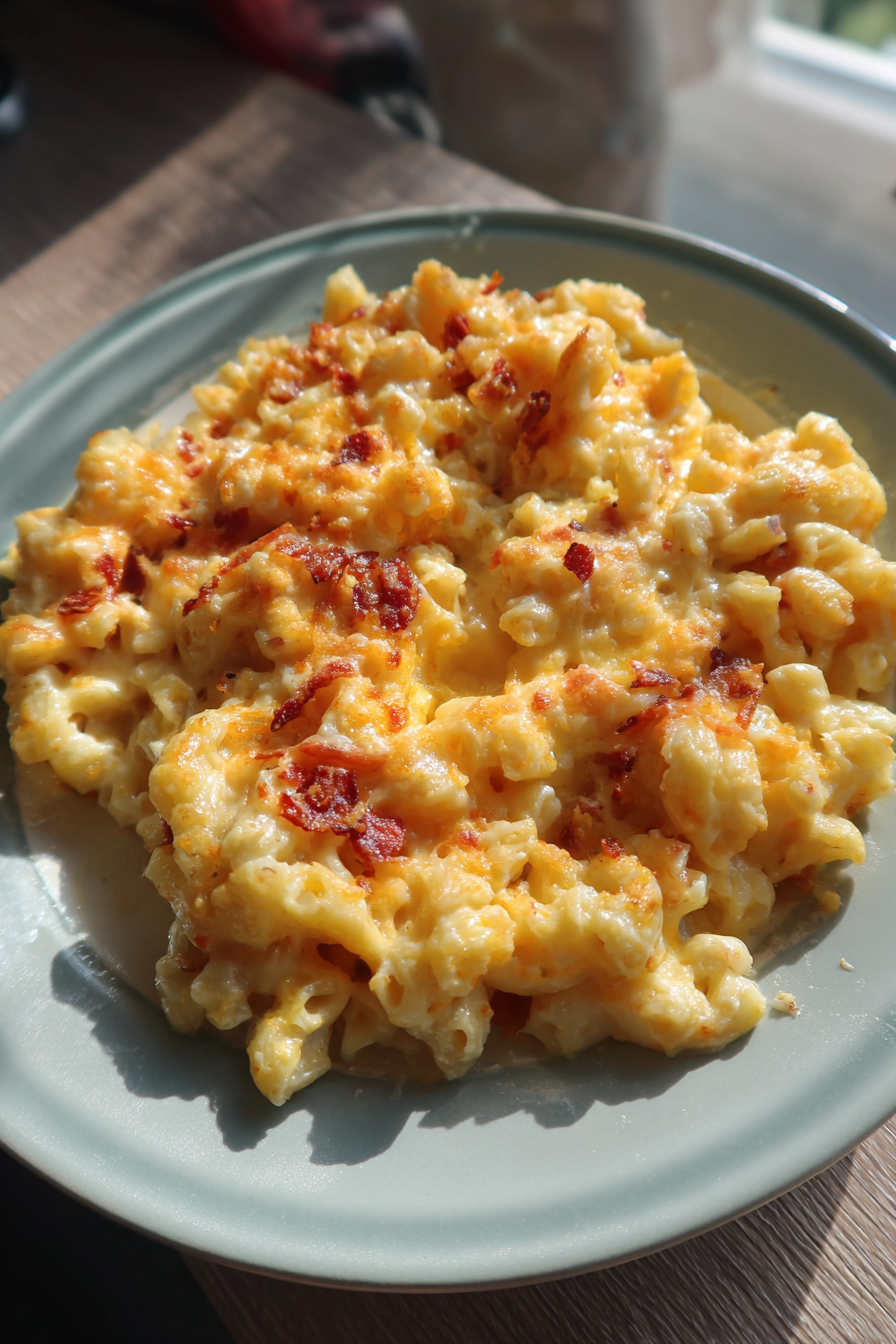
Easy Creamy Mac and Cheese Recipe
Discover the secret to truly creamy, dreamy mac and cheese with this easy, home-style recipe, perfected over years for consistent rave reviews. This comforting dish is perfect for chilly nights or any time you need a delicious hug in a bowl.
Ingredients
- 1 pound elbow macaroni (or other small pasta)
- 1/2 cup (1 stick) unsalted butter
- 1/2 cup all-purpose flour
- 4 cups whole milk, warmed
- 1 teaspoon salt (plus more for pasta water)
- 1/2 teaspoon black pepper
- 1/4 teaspoon ground mustard (or 1 teaspoon Dijon mustard)
- Pinch of cayenne pepper (optional, for a little heat)
- 4 cups (about 1 pound) shredded sharp cheddar cheese
- 2 cups (about 1/2 pound) shredded Gruyere, Monterey Jack, Colby, or a blend
Instructions
-
Cook the pasta: Bring a large pot of salted water to a rolling boil. Add the elbow macaroni and cook according to package directions until al dente. Drain well and set aside.
-
Make the roux: In a large, heavy-bottomed pot or Dutch oven, melt the butter over medium heat. Once melted, add the flour and whisk constantly for 1-2 minutes until a smooth paste forms and cooks slightly.
-
Whisk in milk: Gradually whisk in the warm milk, a little at a time, making sure to incorporate each addition fully before adding more. Continue whisking until the sauce starts to thicken and is smooth, about 5-8 minutes.
-
Season the sauce: Reduce the heat to low. Stir in the salt, black pepper, ground mustard, and cayenne pepper (if using).
-
Add the cheese: Remove the pot from the heat. Add the shredded cheeses in handfuls, stirring constantly until fully melted and smooth. Do not boil the sauce once the cheese is added, or it can become grainy.
-
Combine with pasta: Add the drained cooked macaroni to the cheese sauce and stir gently to coat all the pasta evenly.
-
Serve immediately: Dish it up while it’s warm and gooey!
Nutrition (Per Serving)