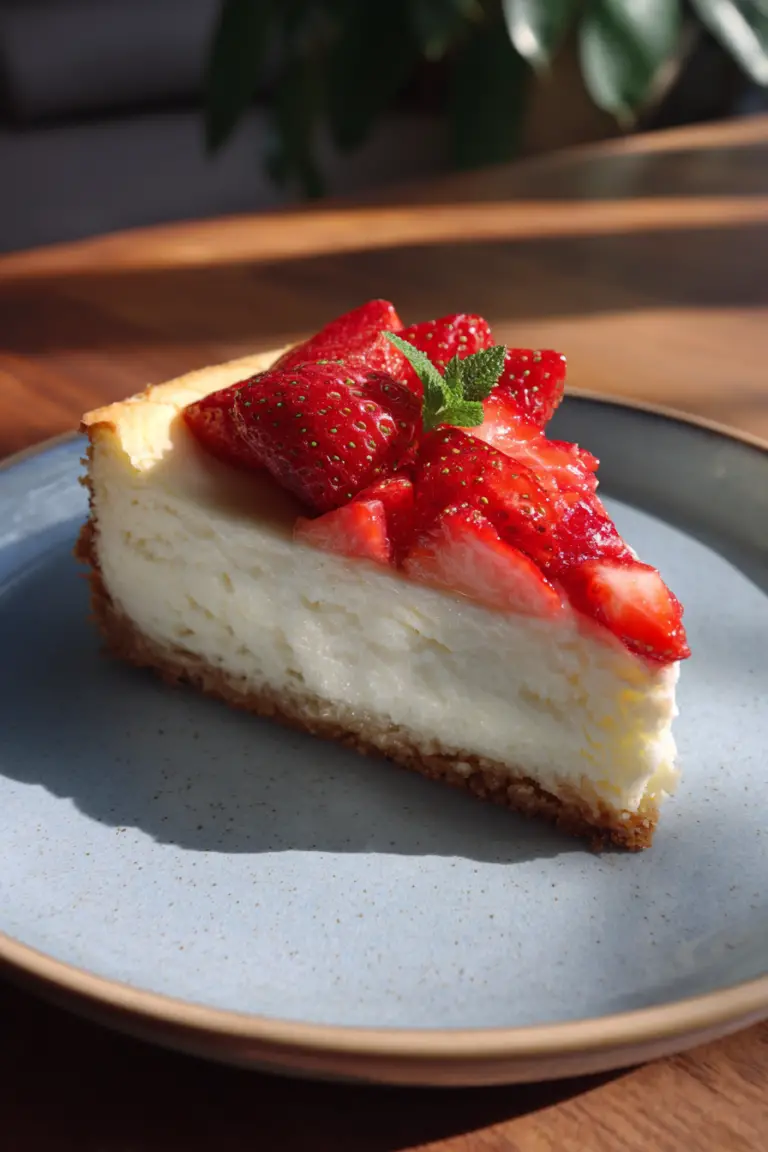
Easy Classic Cheesecake Recipe
Oh man, this Easy Classic Cheesecake Recipe is a total game-changer. I remember the very first time I tried to make a cheesecake, maybe ten years ago now. I was trying to impress my then-boyfriend (now husband, so I guess it worked out!), and I picked the most complicated recipe I could find. It called for a water bath, a specific kind of cheese I couldn’t even pronounce, and chilling times that felt like forever.
I ended up with a giant crack down the middle, a watery bottom because my foil job was pathetic, and it tasted… fine, I guess. But it was *so much work*. It nearly put me off cheesecakes forever. Then my friend Sarah, who’s a whiz in the kitchen but super practical, shared her “easy” version with me. It’s been my go-to ever since. This is *the* recipe, the one that guarantees cheers at potlucks and requests for birthdays.
Recipe Card
| Recipe Title | Easy Classic Cheesecake Recipe |
|---|---|
| Servings | 12-16 |
| Prep Time | 30 minutes |
| Cooking Time | 1 hour 15 minutes |
| Calories | Approx. 450 per slice (varies) |
Ingredients
- Graham Cracker Crumbs (1 ½ cups)
- Granulated Sugar (¼ cup for crust, 1 ½ cups for filling)
- Unsalted Butter, melted (6 tablespoons)
- Cream Cheese, full-fat, softened (4 blocks, 8 oz each)
- Sour Cream, full-fat (½ cup)
- Large Eggs (4)
- Vanilla Extract (1 ½ teaspoons)
- Lemon Zest (1 teaspoon, optional)
Okay, the crust is where it all begins. I once thought, “Can I just use regular digestive biscuits?” Yeah, you can, but graham crackers have that specific sweetness and crunch that makes a cheesecake crust *chef’s kiss*. Don’t skimp here.
Sugar is, well, sugar! For the crust, a little bit helps bind and sweeten. For the filling, it’s the main sweetener. I tried to cut down the sugar once for a “healthier” version, and it just tasted… off. Cheesecake is a treat, embrace it!
Melted butter binds the crust together. Make sure it’s melted, but not sizzling hot. I’ve accidentally used butter straight out of the microwave that was too hot, and it fried some of the graham cracker bits, giving it a weird texture. Let it cool for a minute or two.
This is the heart and soul of your cheesecake. Please, please, *please* use full-fat cream cheese. I know some folks try to use light, but it changes the texture entirely – it gets too watery and less creamy. And make sure it’s softened, like, really soft. Cold cream cheese leads to lumpy batter, and nobody wants a lumpy cheesecake.
Sour cream is what gives it that classic tangy kick and also helps make the texture super smooth and rich. Don’t skip it or substitute with yogurt unless you’re okay with a slightly different flavor profile. The fat content here is also important for creaminess.
Eggs are the binders for the filling. They help it set beautifully. Just like the cream cheese, make sure they’re at room temperature. If you add cold eggs to a warm batter, it can seize up the cream cheese. I learned that the hard way with a surprisingly stiff batter one time.
Vanilla just rounds everything out. I usually use pure vanilla extract, not the imitation stuff. You can really taste the difference in something as simple as a cheesecake. Sometimes I’ll add a tiny splash more, just because I love vanilla so much.
This is optional, but honestly, it’s a game-changer. A little lemon zest brightens the whole thing up, cuts through the richness a bit, and adds a subtle fresh note. Don’t skip it if you have a lemon lying around!
Directions
- Preheat oven to 350°F (175°C) and wrap the bottom of a 9-inch springform pan with heavy-duty aluminum foil.
- Prepare the crust: In a medium bowl, combine graham cracker crumbs, ¼ cup granulated sugar, and melted butter. Press firmly into the bottom of the prepared springform pan.
- Bake the crust for 8-10 minutes. Remove from oven and let cool slightly. Reduce oven temperature to 325°F (160°C).
- Make the filling: In a large bowl, using an electric mixer, beat the softened cream cheese on medium speed until smooth and creamy, about 2-3 minutes.
- Add 1 ½ cups granulated sugar and mix until just combined, scraping down the sides of the bowl.
- Add the sour cream, vanilla extract, and lemon zest (if using). Mix on low speed until just combined.
- Add the eggs, one at a time, mixing on low speed until just incorporated after each addition. Do not overmix.
- Pour the filling over the cooled crust in the springform pan.
- If using a water bath: Place the springform pan into a larger roasting pan. Pour hot water into the roasting pan until it comes halfway up the sides of the springform pan.
- B Bake for 60-75 minutes, or until the edges are set but the center still jiggles slightly when gently shaken.
- Turn off the oven, crack open the oven door slightly, and let the cheesecake cool in the oven for 1 hour.
- Remove from oven (and water bath, if used). Let cool completely on a wire rack at room temperature.
- Chill in the refrigerator for at least 4 hours, preferably overnight, before serving.
Okay, so this step is super crucial if you’re using a water bath, which I often do for extra creamy results, though this recipe works without it too. But even if not using a water bath, wrapping prevents any possible butter leakage from the crust and protects against a soggy bottom if *any* moisture gets in there. I once used regular foil and it tore, leading to a water-logged crust. Stick with heavy-duty and make sure it goes all the way up the sides.
Press this crust *down*. Seriously. I use the bottom of a flat measuring cup or a glass. If you don’t press it firmly enough, your slices will fall apart when you serve them, and that’s just sad. You want a solid foundation for that glorious filling.
Baking the crust separately helps it set and get nice and sturdy. Don’t overbake it though, or it’ll be too hard. And don’t forget to reduce the oven temp! I once left it at 350°F, and while the cheesecake still baked, the edges got a little too brown and cracked more than usual. A lower, slower bake is key for cheesecakes.
Patience here is a virtue. If your cream cheese isn’t smooth now, it won’t be smooth later. I used to rush this, thinking “it’ll smooth out with the other ingredients,” but no. Lumps just persist. Beat it till it’s like a cloud.
Don’t overmix once the sugar is in. You’re just combining it. Overmixing introduces too much air, which can cause your cheesecake to puff up then fall and crack later. We want smooth, not airy.
Again, low speed, just combine. You’re gently folding in the flavors, not trying to make a soufflé. Keep an eye on those lumps – they should be long gone by now if your cream cheese was soft enough.
This is probably the most critical step for a smooth, crack-free top. Add one egg, mix *just* until you can’t see the yolk anymore, then add the next. Overmixing at this stage is the number one cause of cracks in cheesecake. I’ve seen my share of Grand Canyon-esque cracks from getting too enthusiastic with the mixer here.
Pour it gently. You want the filling to be a smooth, even layer. Give the pan a gentle tap on the counter a few times to release any large air bubbles that might be hiding. This helps prevent craters later.
A water bath really does help with even cooking and preventing cracks. The steam keeps the cheesecake moist. My first few times, I was terrified of getting water in the cheesecake. Make sure your foil wrap is secure and high. I’ve definitely had little leaks when I was lazy with the foil.
This is where intuition comes in. It won’t look fully set like a cake. The center should wobble a bit, like firm jello. If it’s too jiggly, keep baking. If it’s completely firm, you’ve probably overbaked it, which can lead to cracks. It sets up more as it cools.
This slow cool-down is magic for preventing cracks. The drastic temperature change from a hot oven to a cool counter can shock the cheesecake, causing it to crack. I used to pull it right out, and boom, a crack would appear within minutes. Patience, my friend, patience.
Once it’s out of the oven, give it its space. Let it cool fully at room temp before even thinking about the fridge. This can take a couple of hours. Resist the urge to poke it!
Chilling is not optional. It needs this time to firm up and for the flavors to fully meld. I’ve been impatient and tried to slice it too early, and it was a gooey mess. Delicious, but messy. Overnight truly is best.
After years of trial and error with this Easy Classic Cheesecake Recipe, I’ve really learned what makes it tick. My funniest moment was probably the time I forgot to add the sugar to the filling. It was for a friend’s birthday, and we all took a bite and just looked at each other, confused. It tasted like… sweet cream cheese. An easy fix with some berry compote on top, but a definite face-palm moment!
I just love how this recipe always feels like a special treat, but it’s not nearly as intimidating as people think. It’s a total family favorite, especially around the holidays. The best part? Leftovers (if there are any) are even better the next day. It’s the ultimate comfort food for dessert. Next time, I might experiment with a brown butter crust for a little extra depth, but for now, this classic is perfect as is.
Nutrition Info (per serving)
| Calories | Carbs | Fat | Protein |
|---|---|---|---|
| 450 | 35g | 30g | 8g |
Yeah, looking at those numbers, it definitely confirms cheesecake is a treat, not a health food! Does it surprise me? Not really, with all that cream cheese and butter. I’ve tried to make it lighter by swapping in light cream cheese, but it just doesn’t have the same decadent texture or flavor. If you’re looking for a special diet option, this might not be it unless you’re doing a low-carb version with specific sweeteners and crusts, which would be a whole different recipe. For this classic, full-fat is the way to go.
Ingredient Swaps
| Ingredient | Substitution |
|---|---|
| Graham Cracker Crumbs | Vanilla wafers, shortbread cookies, or digestive biscuits (crushed) |
| Sour Cream | Greek yogurt (full-fat), or heavy cream (will be less tangy) |
| Lemon Zest | Orange zest, or omit |
| Vanilla Extract | Almond extract (use less) |
I’ve played around with some of these swaps, and honestly, some work better than others. Vanilla wafers make a pretty good crust, a little sweeter and softer than graham crackers. Shortbread is also decent if you’re looking for a buttery, less sweet crust. Digestive biscuits are okay, but they have a distinct flavor that might not be for everyone. As for sour cream, full-fat Greek yogurt is probably the closest, but it will give a slightly tangier flavor and might make the filling a little softer. Heavy cream will make it very rich but lose some of that classic cheesecake tang. Lemon zest is easily swapped for orange zest for a different citrus note, or you can just leave it out entirely – no harm done. Almond extract is a strong one; if you use it, definitely use less than the vanilla, or it’ll overpower everything.
Tips
- Room Temperature Ingredients Are a Must!
- Don’t Overmix the Batter (especially after adding eggs).
- Use a Water Bath for Creamiest Results and Fewer Cracks.
- Cool Down Slowly.
- Chill, Chill, Chill (Patience is a Virtue!).
Alright, let’s talk about these tips, because I’ve learned every single one of them the hard way. The “room temperature ingredients” one? The first time I tried to make this, I grabbed cream cheese and eggs straight from the fridge. My batter was so lumpy, it looked like cottage cheese, and I had to start over. It was a huge waste of ingredients and my time. It’s like baking 101, but easy to forget when you’re in a rush. Seriously, set them out for at least an hour, or even two. It makes all the difference in getting that silky smooth filling.
FAQ
Q: Why did my cheesecake crack?
A: Oh man, the dreaded crack! Most often, it’s due to overmixing the batter, especially after you add the eggs, which incorporates too much air. Or, it’s baking at too high a temperature, causing the edges to set and firm up before the center, pulling them apart. Rapid cooling can also shock it. My advice? Don’t overmix, bake low and slow, and let it cool gradually in the oven.
Q: How do I know when my cheesecake is done?
A: This is tricky because it won’t look totally “done” like a regular cake. Gently jiggle the pan – the edges should be set, but the center (about 2-3 inches in diameter) should still wobble slightly, like firm gelatin. It will continue to set as it cools, so resist the urge to bake it until it’s completely firm all the way through.
Q: Can I make this cheesecake ahead of time?
A: Absolutely! This cheesecake is actually *better* the next day, after it’s had plenty of time to chill and for the flavors to meld. I often make it a full day before I plan to serve it, especially for parties. Just keep it covered in the fridge, and it’ll be perfect for up to 3-4 days.
Q: What can I top my cheesecake with?
A: The possibilities are endless! I love a simple fresh berry compote (just simmer some berries with a little sugar and lemon). Cherry pie filling is a classic, or you can do a simple sour cream topping (sour cream, a little sugar, vanilla, spread on top and baked for 5-10 minutes). Caramel sauce, chocolate ganache, or even just fresh fruit are all fantastic. It’s really versatile!
That’s everything I know about making Easy Classic Cheesecake Recipe! Hope you give it a try. And if you mess it up, you’re in good company—I still do it sometimes.
Easy Classic Cheesecake Recipe
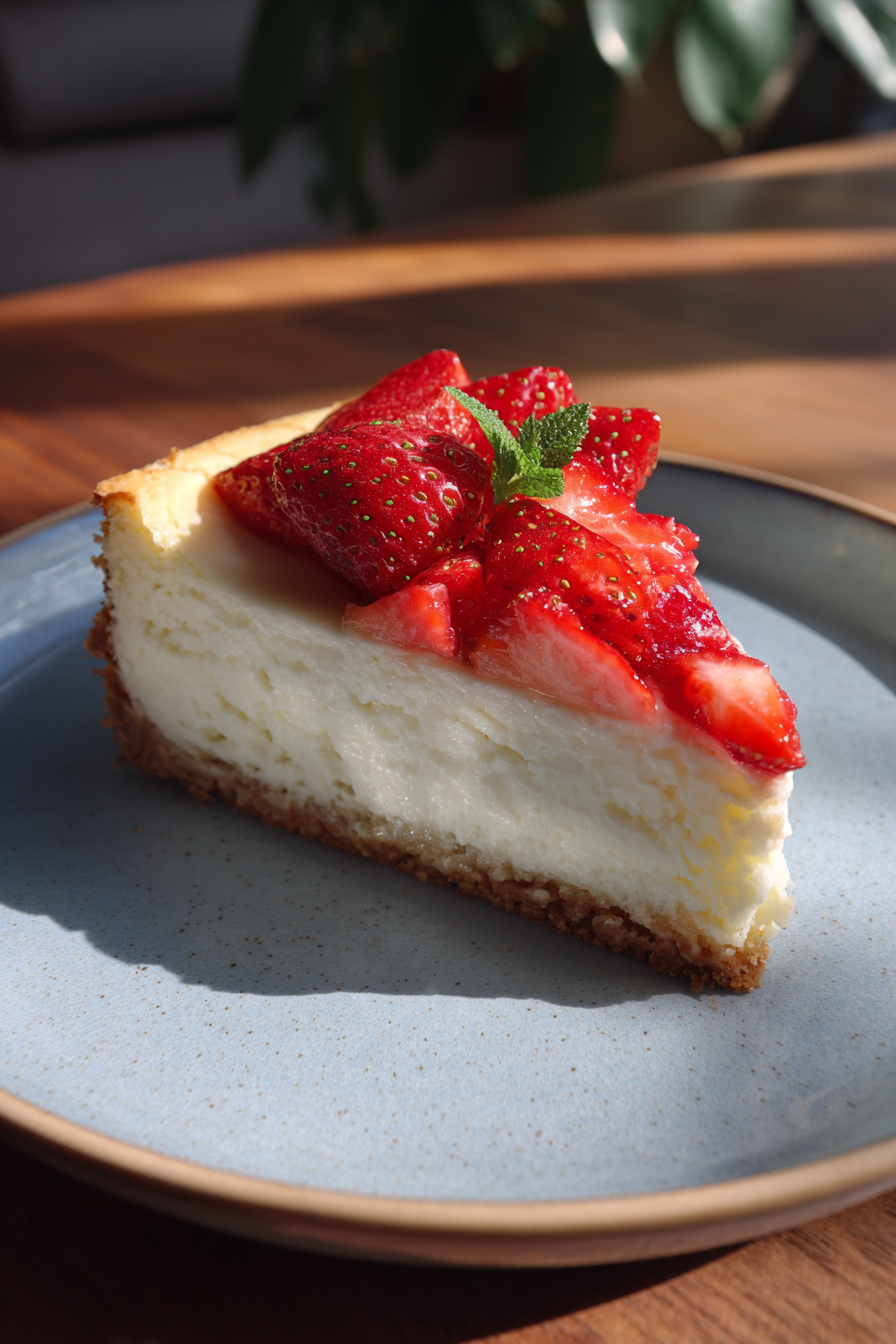
Discover the ultimate ‘game-changer’ easy classic cheesecake recipe that guarantees smooth, creamy results every time without the fuss. Perfect for potlucks and birthdays, this foolproof dessert will become your new go-to.
Ingredients
- 1 ½ cups Graham Cracker Crumbs
- ¼ cup Granulated Sugar (for crust)
- 1 ½ cups Granulated Sugar (for filling)
- 6 tablespoons Unsalted Butter, melted
- 4 blocks (8 oz each) Cream Cheese, full-fat, softened
- ½ cup Sour Cream, full-fat
- 4 Large Eggs
- 1 ½ teaspoons Vanilla Extract
- 1 teaspoon Lemon Zest (optional)
Instructions
-
Preheat oven to 350°F (175°C) and wrap the bottom of a 9-inch springform pan with heavy-duty aluminum foil.
-
Prepare the crust: In a medium bowl, combine graham cracker crumbs, ¼ cup granulated sugar, and melted butter. Press firmly into the bottom of the prepared springform pan.
-
Bake the crust for 8-10 minutes. Remove from oven and let cool slightly. Reduce oven temperature to 325°F (160°C).
-
Make the filling: In a large bowl, using an electric mixer, beat the softened cream cheese on medium speed until smooth and creamy, about 2-3 minutes.
-
Add 1 ½ cups granulated sugar and mix until just combined, scraping down the sides of the bowl.
-
Add the sour cream, vanilla extract, and lemon zest (if using). Mix on low speed until just combined.
-
Add the eggs, one at a time, mixing on low speed until just incorporated after each addition. Do not overmix.
-
Pour the filling over the cooled crust in the springform pan.
-
If using a water bath: Place the springform pan into a larger roasting pan. Pour hot water into the roasting pan until it comes halfway up the sides of the springform pan.
-
Bake for 60-75 minutes, or until the edges are set but the center still jiggles slightly when gently shaken.
-
Turn off the oven, crack open the oven door slightly, and let the cheesecake cool in the oven for 1 hour.
-
Remove from oven (and water bath, if used). Let cool completely on a wire rack at room temperature.
-
Chill in the refrigerator for at least 4 hours, preferably overnight, before serving.
Nutrition (Per Serving)