Easy Fish and Chips Recipe
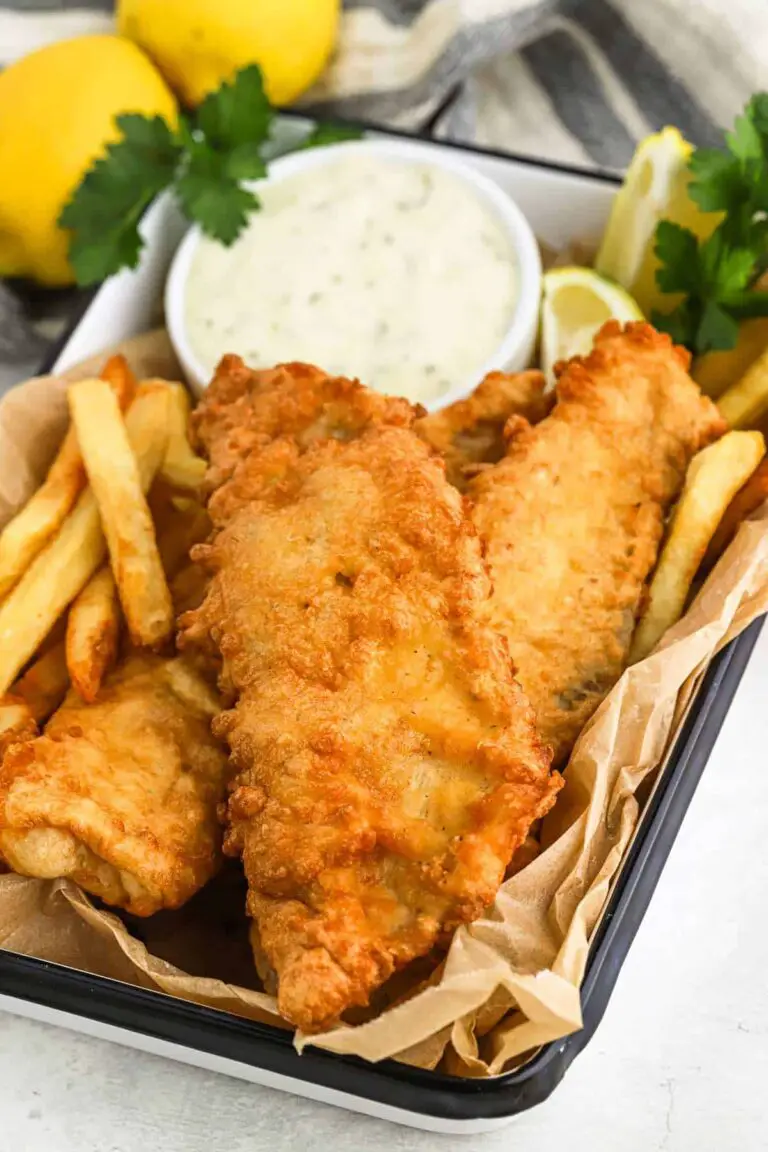
I used to think fish and chips was one of those fancy “restaurant only” meals, something only a real chef could pull off. My first time trying it was after a trip to the UK years ago, where I fell head over heels for the real deal wrapped in newspaper. Back home, I craved it so badly but couldn’t find anything that measured up. So, being the stubborn home cook I am, I decided to tackle it myself. I remember that first attempt vividly: I had this beautiful piece of cod, a bag of potatoes, and a recipe I’d found online that seemed “easy.” Well, easy is a relative term when you’re dealing with hot oil for the first time! I ended up with greasy, soggy fries and fish that was half raw, half burnt. My smoke alarm was practically singing opera. But something clicked that day—I knew I could do better. Fast forward a bunch of tries, a few near-fires, and a lot of happy accidents, and now my Easy Fish and Chips Recipe is a total crowd-pleaser. It’s the kind of dish that makes you feel like a kitchen wizard without actually needing magic.
Recipe Card
| Recipe Title | Easy Fish and Chips Recipe |
|---|---|
| Servings | 4 |
| Prep Time | 20 minutes |
| Cooking Time | 25-30 minutes |
| Calories | Approx. 650-750 per serving |
Okay, so the recipe card gives you the basics, but trust me, there’s a lot more to it than just numbers. Those prep and cook times are for an experienced hand, not necessarily your first go. Give yourself a little wiggle room, especially if you’re new to deep frying. And that calorie count? Yeah, it’s not a diet meal, but it’s comfort food, so we’re making allowances, right? This isn’t about healthy eating, it’s about pure, unadulterated joy.
Ingredients
- 1.5 lbs Russet potatoes, peeled and cut into 1/2-inch thick fries
- 1.5 lbs firm white fish fillets, like cod or haddock (4 pieces, about 6 oz each)
- 1 cup all-purpose flour, plus more for dredging
- 1/2 cup cornstarch
- 1 teaspoon baking powder
- 1 teaspoon salt, plus more for seasoning
- 1/2 teaspoon black pepper
- 1 cup ice-cold sparkling water (club soda or seltzer also works)
- 4-6 cups neutral oil for frying (vegetable, canola, or peanut oil)
- Lemon wedges and tartar sauce, for serving
Let’s break down these ingredients, because each one has a story or a lesson I learned the hard way.
First, those Russet potatoes. You want Russets because they’re starchy, which is perfect for fries. One time, I grabbed some red potatoes by mistake, thinking “potatoes are potatoes, right?” Wrong! They were waxy, and my fries came out sad, limp, and greasy. Total bummer. Always go for Russets, and cut them evenly so they cook at the same rate.
For the fish, cod or haddock are your best friends. They’re flaky but firm enough to hold up to frying. I once tried tilapia because it was on sale, and oh boy, that was a mistake. Tilapia fillets are often thinner and more delicate, and they just broke apart in the hot oil. I spent ages fishing out little bits of flaky fish from the oil, making a huge mess. Stick with thicker, firmer white fish, you’ll thank me.
The flour, cornstarch, and baking powder combo? This is where the magic happens for that perfect crispy batter. I remember one time, my friend, who swears by gluten-free everything, tried to make this with almond flour. The batter was gritty and didn’t crisp up at all. For this recipe, stick to good old all-purpose flour. It just works.
And that cornstarch? I actually forgot it once, thinking “how much difference can a little cornstarch make?” Huge difference! The batter was noticeably less crisp, more chewy, and just didn’t have that satisfying shatter when you bit into it. Never again will I skip the cornstarch. It’s essential for that extra crunch.
Baking powder is another hero in this batter. It helps create those tiny bubbles that make the batter light and airy. Another time, my baking powder was old, practically dead, hiding in the back of the pantry. The batter was flat, like a wet blanket on the fish, with no lift or lightness. Always check your baking powder’s expiration date; fresh baking powder is key for that airy crunch.
The ice-cold sparkling water is really important. The cold temperature helps keep the gluten from developing too much, making for a tender batter, and the bubbles add to the lightness. I tried using flat seltzer water once because it was all I had. Nope. It just didn’t give that same airy, crispy result. And plain tap water? Don’t even think about it; the batter will be denser and heavier.
Finally, the oil for frying. Use a neutral oil with a high smoke point, like vegetable, canola, or peanut oil. I made the mistake of trying to use olive oil once because it was all I had in a pinch. The smoke point was too low, and it started smoking and smelling awful halfway through frying. Plus, the fish ended up with a weird, bitter taste. Stick to the tried and true neutral oils for the best flavor and safety.
Directions
- Prep the potatoes: Peel and cut potatoes into 1/2-inch thick fries. Place them in a large bowl, cover with cold water, and let soak for at least 30 minutes (up to a few hours). This removes excess starch, making them crispier. Drain well and pat thoroughly dry with paper towels before frying.
- Heat the oil: Pour 4-6 cups of oil into a large, heavy-bottomed pot or Dutch oven (at least 6-inch sides) until it’s about 3 inches deep. Attach a deep-fry thermometer and heat the oil to 325°F (160°C).
- First fry the potatoes: Working in batches to avoid overcrowding, carefully add about a third of the dried fries to the hot oil. Fry for 5-7 minutes, until they are tender but still pale. Remove with a slotted spoon and place on a wire rack set over a baking sheet. Repeat with remaining potatoes, letting the oil come back to temperature between batches. Increase oil temperature to 375°F (190°C).
- Prepare the fish batter: While the fries are cooling, prepare the batter. In a large bowl, whisk together 1 cup flour, cornstarch, baking powder, 1 teaspoon salt, and pepper. Gradually pour in the ice-cold sparkling water, whisking until just combined. Don’t overmix; a few lumps are fine. The batter should be the consistency of thick pancake batter.
- Dredge the fish: Pat the fish fillets very dry with paper towels. Lightly dredge each fillet in extra all-purpose flour, shaking off any excess. This helps the batter stick better.
- Fry the fish: Dip each floured fish fillet into the prepared batter, ensuring it’s fully coated. Carefully lower one or two fish pieces (don’t overcrowd!) into the 375°F (190°C) oil. Fry for 5-8 minutes, flipping halfway, until the batter is golden brown, crispy, and the fish is cooked through and flakes easily. Remove with a slotted spoon and place on a clean wire rack set over a baking sheet to drain. Season immediately with a sprinkle of salt. Repeat with remaining fish.
- Second fry the potatoes: Once all the fish is fried and resting, increase the oil temperature back to 375°F (190°C) if it’s dropped. Carefully return all the par-fried potatoes to the hot oil, working in batches if necessary. Fry for another 2-4 minutes, until deeply golden brown and crispy. Remove with a slotted spoon, drain on a clean wire rack, and season generously with salt immediately.
- Serve immediately: Plate the hot fish and chips with lemon wedges and plenty of tartar sauce.
Phew, that looks like a lot, right? But honestly, each step builds on the last, and there are some critical moments you absolutely don’t want to mess up. My biggest fail always comes back to oil temperature. Too low, and the food soaks up all the oil and gets greasy. Too high, and the outside burns while the inside is raw. A deep-fry thermometer isn’t optional, it’s a lifesaver. Seriously, go buy one. It’ll save you from countless greasy, burnt, or undercooked disasters.
Another common mistake I used to make was trying to rush things by overcrowding the pan. I was hosting a party once and tried to fry too much fish at once because I wanted everyone to eat at the same time. The oil temperature plummeted, and everything came out pale, soggy, and sad. It’s better to fry in smaller batches; the oil stays hot, and you get that beautiful golden crispness every time. Trust me, waiting an extra minute or two for a perfectly cooked batch is always worth it.
And the batter consistency? One time, I was distracted by a phone call and made the batter way too thick. It coated the fish like cement, and tasted doughy and heavy. Another time, I was too aggressive with the sparkling water and made it too thin, and it just dripped off the fish before it even hit the oil. You want it like thick pancake batter – kinda thick but still pourable. A few lumps are totally fine, don’t overmix it!
I’ve learned that making Easy Fish and Chips Recipe isn’t just about following the steps; it’s about paying attention to what’s happening in the pot. It’s a bit of a special occasion meal for us, usually a Friday night treat or when friends come over. It’s not really a meal prep kind of dish, you want to eat it fresh and hot. The satisfaction of biting into a perfectly crispy piece of fish and a golden fry you made yourself? Unbeatable. It hits all the right notes for comfort food, makes me feel like I’ve really accomplished something in the kitchen, and it’s always a family favorite. Sometimes I wish I could figure out a truly healthy swap that tastes just as good, but for now, this indulgence is just too good to mess with too much.
Nutrition Info (per serving)
| Calories | Carbs | Fat | Protein |
|---|---|---|---|
| 680 kcal | 60g | 35g | 35g |
Yeah, I know. Looking at those numbers, it’s pretty clear this isn’t exactly diet food. It’s definitely on the heavier side, thanks to all that glorious frying. Have I tried to make it lighter? Absolutely. I’ve air-fried the potatoes, and even baked the fish once. The fries came out decent in the air fryer, but the baked fish? It was just… sad. Not the same crunchy, flaky deliciousness at all. So, my advice for people with special diets or trying to watch calories is this: enjoy a smaller portion, or save it for a special treat. Sometimes, you just gotta live a little, and this dish is definitely worth it.
Ingredient Swaps
| Ingredient | Substitution |
|---|---|
| Cod or Haddock | Pollock, Halibut, or even firmer Tilapia (with caution) |
| Russet Potatoes | Yukon Gold potatoes (will be slightly less crispy) |
| Sparkling Water | Lager or pale ale for a richer beer batter |
| Vegetable Oil | Canola oil, Peanut oil |
Okay, so swaps. Some work, some… don’t. I’ve tried all of these, believe me.
For the fish, pollock and halibut are generally good substitutes for cod or haddock. Pollock is a bit milder, and halibut is pricier but delicious. Firmer tilapia can work, but I still stand by my previous warning – you have to be super careful not to let it break apart. It’s just not as robust as cod.
As for potatoes, Yukon Golds are okay. They’re a bit waxier than Russets, so your fries might not get *quite* as crispy, but they’ll still taste good. They have a nice buttery flavor. You’ll just miss that ultimate crunch.
Now, for the batter liquid, a cold lager or pale ale instead of sparkling water? That’s a fantastic swap if you like a little extra flavor. Beer batter is classic for a reason. It adds a lovely malty depth and still gets super crispy. I’ve actually done this many times, and it’s a winner. Just make sure the beer is ice cold. I once tried it with a dark stout, thinking it’d be interesting. It was… too heavy, and gave the fish a slightly bitter, almost burnt flavor. Stick to lighter beers.
And for the oil, canola and peanut oil are perfect. They both have high smoke points and neutral flavors, just like vegetable oil. The only oil I’d explicitly caution against for deep frying is olive oil or any unrefined oils. They just can’t handle the heat and will make your food taste off.
Tips
- **Oil Temperature is Everything:** Use a deep-fry thermometer and keep your oil consistently between 325°F (160°C) for the first fry of potatoes and 375°F (190°C) for the second fry and the fish. Fluctuating temperatures lead to greasy food.
- **Don’t Overcrowd the Pan:** Fry in small batches to maintain oil temperature and ensure even cooking and crispiness. Give everything room to breathe and cook properly.
- **Pat Everything Super Dry:** Whether it’s the potatoes after soaking or the fish fillets, moisture is the enemy of crispiness. Use plenty of paper towels to get them as dry as possible before they hit the oil.
- **Salt Immediately:** Season your fries and fish with salt the moment they come out of the hot oil. The hot surface helps the salt stick and melts it just enough for maximum flavor.
- **Keep the Batter Cold and Don’t Overmix:** Use ice-cold sparkling water and mix the batter just until combined. Overmixing develops gluten, making the batter tough, and a warm batter won’t be as light and crisp.
Okay, these tips are born from years of trial and error, mostly error! I can’t tell you how many times I learned the hard way that oil temperature truly is everything. I once thought, “Oh, it looks hot enough,” and skipped the thermometer. Ended up with a batch of pale, soggy, oil-soaked fries because the oil wasn’t hot enough, and then a batch of burnt-on-the-outside, raw-on-the-inside fish because it was too hot. A thermometer is probably the single most important tool for frying.
And the overcrowding thing? I’m still guilty of this sometimes when I’m in a hurry. You just want to get it all done, right? But every single time I try to squeeze in an extra piece of fish or an extra handful of fries, the oil temp drops, and everything comes out less crispy. So, I’ve learned to just take a deep breath, embrace the batches, and understand that good things take time. It’s better to have two perfect batches than one sad, floppy one. Wish I’d truly understood that sooner, would’ve saved me a lot of frustration and wasted food.
FAQ
**Q: My fish batter isn’t crispy, it’s soggy or soft. What went wrong?**
A: Oh man, I’ve been there! Usually, a soggy batter comes down to a few things. The most common culprit is your oil not being hot enough. If the oil’s too cool, the batter just sits there and soaks up the oil instead of instantly crisping up. Make sure your oil is at a steady 375°F (190°C). Another reason could be your batter was too thick, not enough baking powder, or you used warm water instead of ice-cold sparkling water. Also, don’t overcrowd the pot – that drops the oil temp, which leads to sogginess.
**Q: Can I bake fish and chips instead of frying?**
A: You *can*, but honestly, it’s not the same experience at all. I tried it once hoping for a healthier version, and while it was edible, it lacked that essential crispy, airy texture that makes fish and chips so great. The fish was just… baked fish, and the fries were okay but never got that deep golden crunch. If you absolutely have to, you can brush the fish with a little oil and bake it at a high temperature (around 400°F/200°C) until flaky, and air-fry or bake your fries. Just set your expectations for a different dish, not a fried one.
**Q: What kind of oil should I use for frying?**
A: You want a neutral-flavored oil with a high smoke point. My go-tos are vegetable oil, canola oil, or peanut oil. They can handle the high temperatures needed for frying without smoking too much or imparting a weird taste to your food. I once used olive oil for frying, and it was a smoky disaster. The low smoke point meant it burned and tasted awful, so definitely avoid that!
**Q: Can I make the batter ahead of time?**
A: Not really, and I’ve tried! The baking powder and sparkling water create bubbles that are crucial for that light, airy texture. If you let the batter sit for too long, those bubbles will dissipate, and the baking powder will lose its oomph. You’ll end up with a denser, heavier batter. It’s best to mix the batter right before you’re ready to fry the fish, usually after your first potato fry. It only takes a minute or two to whip up.
**Q: How do I keep the fish and chips warm while I’m cooking everything in batches?**
A: This is a great question, especially since you need to fry in batches. What I usually do is set up a wire rack over a baking sheet. As each batch of fish or fries finishes frying, I place them on the wire rack and keep them in a warm oven, set to around 200°F (95°C). This keeps everything warm and crispy without overcooking it, so you can serve it all hot at the same time. Just don’t stack them directly on a plate, or they’ll get soggy!
That’s everything I know about making Easy Fish and Chips Recipe! Hope you give it a try. And if you mess it up, you’re in good company—I still do it sometimes.