
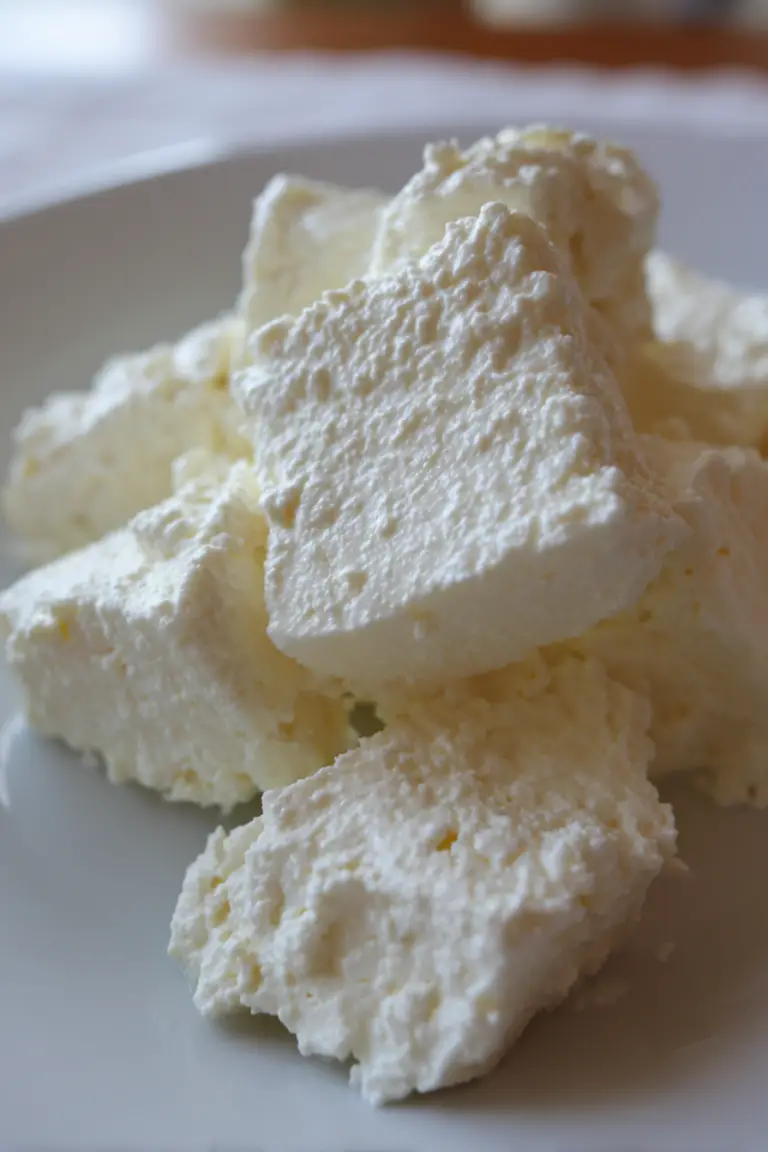
Easy Viral Yoghurt Recipe
Oh man, where do I even start with this Easy Viral Yoghurt Recipe? I remember seeing it pop up all over my feed a few years back, and I was super skeptical. Yogurt? Made at home? Seemed like one of those things that sounded cool but would end up being a huge mess, or just taste… off. My first try was a total disaster, honestly. I didn’t have a good thermometer, so I just kinda eyeballed the milk temperature, convinced my “finger test” was good enough. Spoiler alert: it was NOT. I ended up with a batch that was barely thicker than milk and tasted faintly of sadness, not yogurt. My husband, bless his heart, tried to be polite, but even he couldn’t choke down more than a spoonful. That night, I almost swore off homemade yogurt forever. But something about the idea of fresh, creamy yogurt without all the added sugars and weird thickeners kept gnawing at me, so I gave it another shot, this time with a proper thermometer, and boy, am I glad I did!
Recipe Card
| Recipe Title | Easy Viral Yoghurt Recipe |
|---|---|
| Servings | 8-10 (makes about 1.5 quarts) |
| Prep Time | 15 minutes |
| Cooking Time | 8-12 hours (incubation) |
| Calories | 150-180 per serving (approx.) |
You know, those times listed on recipe cards? They’re always just estimates, right? Like, “15 minutes prep” if you’re a super-efficient kitchen ninja who never spills anything. For me, it’s more like 20 minutes, because I always manage to drop something or realize I forgot to pull out a bowl. But even with my usual kitchen shenanigans, this recipe is genuinely low-effort. Most of the time is just waiting for the magic to happen, which is perfect for my busy weeknights when I just can’t deal with another complicated dinner.
Ingredients
- 8 cups (2 quarts) Whole Milk (not ultra-pasteurized!)
- 2 tablespoons plain, full-fat yogurt with active cultures (your starter)
- Optional: 1-2 tablespoons honey or maple syrup
- Optional: 1 teaspoon vanilla extract
Okay, let’s talk ingredients, because this is where I’ve messed up more times than I care to admit.
First, the milk. Seriously, *whole milk* is your best friend here. I once tried to be “healthy” and used skim milk, thinking it would be fine. What I got was a thin, watery concoction that was technically yogurt, but only if you squinted and added a ton of fruit. It just didn’t have that rich, creamy texture I was craving. And the “not ultra-pasteurized” part is super important. Ultra-pasteurized milk has been heated to such a high temperature that it actually messes with the proteins needed for the yogurt to thicken properly. I learned that the hard way when a batch made with fancy organic ultra-pasteurized milk just refused to set. It was a sad, milky soup that looked like it had given up on life.
Then there’s the starter yogurt. This is basically the magic fairy dust that turns your milk into yogurt. You need plain, full-fat yogurt with “active cultures.” Check the label! If it doesn’t say “live and active cultures,” it’s not going to work. I made the mistake of using a sweetened, flavored yogurt once because it was all I had. The result? Slightly mango-flavored yogurt that was also too sweet and a bit grainy. It still worked, but it wasn’t the clean, pure base I wanted. Always opt for plain.
The optional honey or vanilla? Add these *after* the yogurt is made and chilled. I once got impatient and stirred in vanilla and honey while the milk was cooling before I added the starter. I thought, “Hey, fewer steps!” Big mistake. The cultures didn’t activate as well, and the resulting yogurt had a weird, slightly off taste. Plus, if you add sugar too early, it can sometimes interfere with the fermentation process, making your yogurt less tangy or even preventing it from setting properly.
Directions
- Pour the whole milk into a large, heavy-bottomed pot.
- Heat the milk over medium heat, stirring occasionally to prevent scorching, until it reaches 180-185°F (82-85°C) on a thermometer.
- Remove the pot from the heat and let the milk cool down to 105-115°F (40-46°C). Stir it occasionally to help it cool evenly.
- Once cooled, scoop out about a cup of the warm milk into a small bowl. Add the 2 tablespoons of plain starter yogurt to this small bowl and whisk until smooth.
- Pour the whisked starter mixture back into the large pot of milk and whisk gently but thoroughly to combine.
- Transfer the milk mixture to a clean glass jar, ceramic pot, or a clean Instant Pot insert.
- Incubate the yogurt mixture in a warm place for 8-12 hours, or until set. This could be an oven with just the light on, an Instant Pot on the yogurt setting, or a cooler with warm water bottles.
- Once set, cover the yogurt and transfer it to the refrigerator to chill for at least 4 hours before serving.
- If you prefer thicker yogurt, you can strain it through a cheesecloth-lined colander after chilling.
Okay, let’s dive into some of the tricky parts of those directions, because trust me, I’ve stumbled through them all. Step 2, heating the milk? This is where my first big fail happened. Scorching the milk to the bottom of the pot is a rite of passage, I think. You get this weird, burnt-sugar smell, and then your entire batch of yogurt tastes faintly of char. I learned to use a heavy-bottomed pot and stir, stir, stir. And a good thermometer is non-negotiable. Trying to guess 180°F is like trying to guess the winning lottery numbers—it’s just not gonna happen.
Then there’s step 3, cooling the milk. This step is super crucial. I once got impatient and added the starter when the milk was still too hot, maybe around 125°F. What happened? The heat killed the live cultures in the starter, and I ended up with lukewarm milk that never turned into yogurt. It just sat there, looking sad. On another occasion, I let it cool *too much*, down to maybe 95°F. The cultures were too sluggish to get going, and again, no yogurt. That 105-115°F window is like the Goldilocks zone—it has to be just right.
And incubating, step 7, that’s where the magic (or lack thereof) really happens. I started out trying the “oven with the light on” method, which works well, but one time, my husband, not knowing what was in there, turned the oven on for a quick preheat before realizing. R.I.P. that batch of yogurt. After that, I got an Instant Pot, and its yogurt setting is a game-changer. No more accidental cooking! Also, resist the urge to peek or move it too much during incubation. The little cultures are building their home, and if you jostle them, their structure can collapse, leading to grainy, inconsistent yogurt.
Honestly, this Easy Viral Yoghurt Recipe has been such a game-changer for my kitchen. After that initial disastrous attempt, I finally nailed it, and now I make a batch almost every week. It’s such a comforting food for me, knowing exactly what’s in it, and it makes breakfast and snacks so much easier. I love how versatile it is—I can eat it plain, with fresh fruit, a drizzle of honey, or even use it as a base for savory dips. It’s truly become a family favorite, and my kids are always asking for “mommy’s special yogurt.”
It’s also amazing for meal prep. I usually make a big batch on a Sunday, and it lasts us all week. It’s definitely a healthy swap for the sugary stuff you find in stores, and it saves a surprising amount of money in the long run. Plus, it feels so good to make something from scratch that’s so simple yet so nourishing. If I could change one thing? I’d probably experiment with making larger batches more consistently, maybe even trying different milks now that I’m confident with the process, like some goat milk for a different tang.
Nutrition Info (per serving)
| Calories | Carbs | Fat | Protein |
|---|---|---|---|
| 150-180 | 12-15g | 8-10g | 8-10g |
The nutrition info for homemade whole milk yogurt always surprises people, usually in a good way! It’s got a decent amount of healthy fats and a good punch of protein, which makes it super filling. When you compare it to many store-bought yogurts, even the “plain” ones often have added sugar lurking in them, bumping up the carb and calorie count. Since I make this, I know there’s no hidden junk. If you’re trying to make it lighter, you can use 2% milk, but just know it might not be quite as thick and creamy as the whole milk version. For special diets, like if you’re lactose intolerant, you *can* try making it with lactose-free whole milk, and the fermentation process will break down even more lactose, making it easier to digest for some folks. I haven’t gone totally dairy-free with this recipe yet, but I hear oat milk can work with specific cultures, though it’s a whole different ballgame.
Ingredient Swaps
| Ingredient | Substitution |
|---|---|
| Whole Milk | 2% Milk, Skim Milk, Lactose-Free Whole Milk |
| Plain Yogurt Starter | Probiotic Capsule (opened), previous batch of homemade yogurt |
I’ve definitely experimented with these swaps! As I mentioned, using skim milk for the whole milk just doesn’t cut it for me. It results in a thinner, less satisfying yogurt. 2% milk is a good middle ground if you want to lighten it up a bit without sacrificing too much creaminess. Lactose-free whole milk works just like regular whole milk, so that’s a great swap if you have sensitivities.
Using a probiotic capsule as a starter is hit or miss in my experience. I’ve tried it a couple of times when I ran out of commercial plain yogurt. Once it worked okay, but the texture wasn’t as smooth, and the tang was a bit milder. Another time, it just didn’t set at all, maybe the capsules weren’t fresh enough? It’s not my go-to, but in a pinch, it’s worth a shot. The best swap, hands down, is using a previous batch of your own homemade yogurt as the starter. It’s like a never-ending yogurt machine! Just make sure it’s fresh and hasn’t been flavored. I learned that the hard way when I tried to use a scoop of my fruit-on-the-bottom yogurt, and the next batch had a weird, sweet residue and didn’t set right.
Tips
- Always use a reliable thermometer. Eyeballing temperatures is a recipe for disaster.
- Don’t disturb your yogurt during incubation. No peeking, no shaking!
- If you like thicker yogurt, straining it after it chills makes a huge difference.
- Save a couple of tablespoons from your current batch to use as a starter for the next one.
- Only add sweeteners and flavorings *after* the yogurt has finished culturing and has been chilled.
Oh man, that first tip about the thermometer? That’s probably the most important thing I wish I knew earlier. For ages, I was convinced I could just tell by touch or by watching for little bubbles, like I was some kind of dairy whisperer. Nope. Every single time I tried to skip the thermometer, I ended up with runny milk or weirdly lumpy stuff. It wasn’t until I finally broke down and bought a simple kitchen thermometer that my yogurt game truly elevated. It’s a small investment that saves you so much heartbreak and wasted milk. I remember one morning, I was rushing and thought, “Nah, I don’t need the thermometer this time, I’m a pro!” And sure enough, 10 hours later, I pulled out a pot of warm milk. My “pro” status was revoked instantly by my sad, unset yogurt. Learn from my mistakes, friends, use the thermometer!
FAQ
Q1: Why is my homemade yogurt runny?
A1: This is the most common question, and I’ve experienced it myself! Usually, it comes down to temperature. Either your milk was too hot when you added the starter (killing the cultures), or too cold (making them sluggish). Make sure your thermometer is accurate and you’re hitting that 105-115°F sweet spot for adding the starter. Other culprits include using ultra-pasteurized milk, not enough starter, or simply not incubating long enough. Give it the full 8-12 hours, maybe even a bit longer if your kitchen is cool.
Q2: Can I use flavored yogurt as a starter?
A2: Technically, you *can* if it has live active cultures, but I strongly advise against it based on personal experience. The flavor from the starter yogurt *will* transfer to your homemade batch, and not always in a good way. Plus, the sugars in flavored yogurt can sometimes interfere with the fermentation process, making your yogurt less consistent or not setting as well. Stick to plain, full-fat, active-cultured yogurt for the best results.
Q3: How long does homemade yogurt last?
A3: In my fridge, a batch typically lasts about 1.5 to 2 weeks. Store it in an airtight container. You’ll know it’s past its prime if it starts to smell really sour (beyond normal yogurt tang), develops pinkish or greenish mold, or if the texture becomes very watery and separated. I usually make just enough for us to eat within 10 days, just to be safe. It’s usually gone long before then anyway!
Q4: My yogurt is too tart. What did I do wrong?
A4: A super tart yogurt usually means it incubated for too long! The longer it ferments, the more lactic acid the cultures produce, leading to a stronger, tarter flavor. Try reducing your incubation time next time, maybe shoot for 8 hours instead of 12. Also, using too much starter can sometimes lead to a quicker, more aggressive fermentation, so make sure you’re sticking to the 2 tablespoons. If it’s still too tart for your liking, you can always sweeten it with honey, maple syrup, or fruit after it’s chilled!
That’s everything I know about making Easy Viral Yoghurt Recipe! Hope you give it a try. And if you mess it up, you’re in good company—I still do it sometimes.