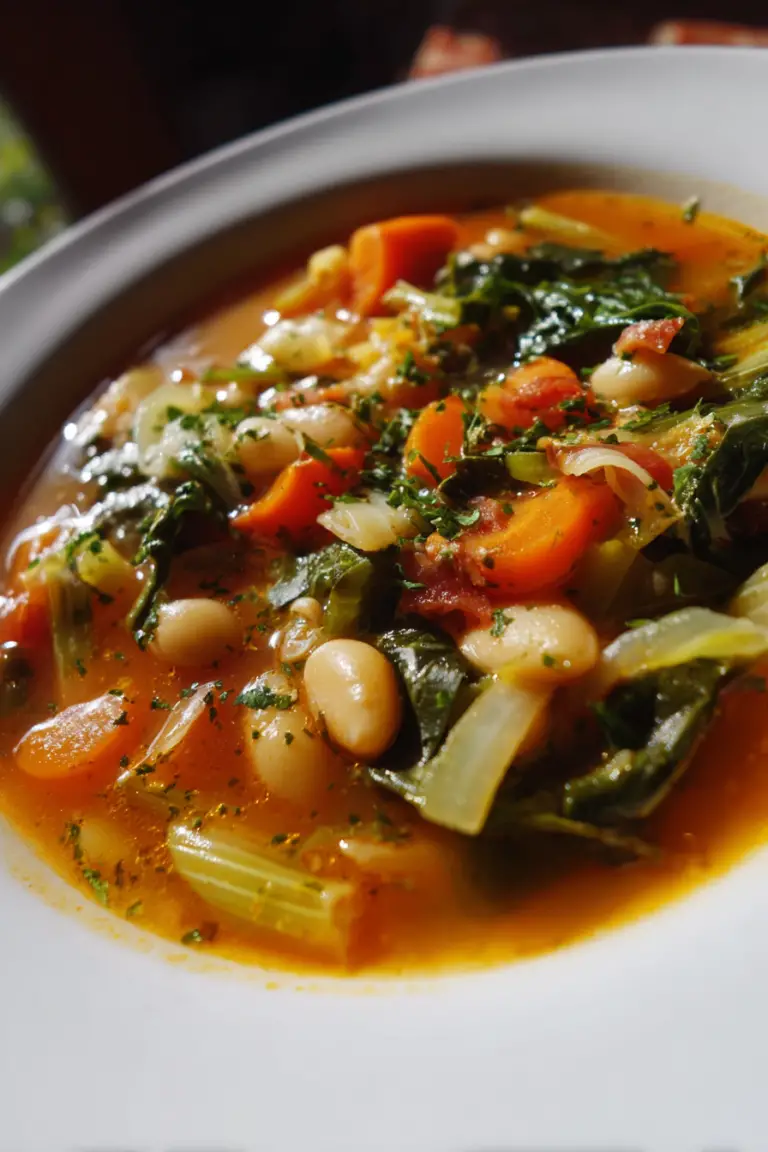
Easy Minestrone Soup Recipe
Oh, man, let me tell you about my first go at making what I now lovingly call my Easy Minestrone Soup Recipe. It wasn’t exactly a triumph. I was trying to impress my then-boyfriend (now husband, bless his patient soul) with a healthy, hearty meal. I saw “easy” in the recipe title and thought, “Great, how hard can it be? It’s just soup!” So, I basically just dumped everything into a pot, thinking it would magically sort itself out.
We ended up with crunchy carrots, super soggy pasta that had bloated into these sad, pale blobs, and a broth that was… well, let’s just say it tasted like ambition, not deliciousness. My poor guy, he tried so hard to eat it, giving me little encouraging nods between spoonfuls of what must have been a truly perplexing culinary experience. It was a disaster, a soupy, bland, texture-confused mess.
But that failure stuck with me. It bugged me. How could something so simple go so wrong? So, I kept trying, tweaking, experimenting, and making a whole lot more mistakes along the way. Fast forward a few years, and this Easy Minestrone Soup Recipe has become one of my absolute go-to’s. It’s comforting, forgiving (now that I know its quirks), and genuinely delicious. It’s the kind of meal that wraps you in a warm hug on a chilly evening, and it’s miles away from that first sad pot.
Recipe Card
| Recipe Title | Easy Minestrone Soup Recipe |
|---|---|
| Servings | 6-8 |
| Prep Time | 20 minutes |
| Cooking Time | 40-50 minutes |
| Calories | About 300-350 per serving |
Ingredients
- 2 tbsp Olive oil
- 1 large Yellow onion, chopped
- 2 Carrots, peeled and diced
- 2 Celery stalks, diced
- 3-4 cloves Garlic, minced
- 1 (14.5 oz) can Diced tomatoes (or crushed, see notes!)
- 6 cups Vegetable broth (or chicken broth, your call!)
- 1 (15 oz) can Cannellini beans, rinsed and drained
- 1 (15 oz) can Kidney beans, rinsed and drained
- 1 tsp Dried oregano
- 1/2 tsp Dried basil
- 1/4 tsp Red pepper flakes (optional, but good!)
- 1 cup Small pasta (like ditalini, elbow macaroni, or small shells)
- 2 cups Fresh spinach or kale, chopped
- Salt and freshly ground black pepper to taste
- Parmesan cheese, for serving (optional)
- Fresh parsley, chopped, for garnish (optional)
Let’s talk ingredients for a sec, because even the simplest things can go sideways, trust me. That olive oil? Don’t skimp on it, really. I used to use barely a drizzle, thinking I was being “healthy” or something. But a good glug of olive oil really helps those veggies sweat down and develop flavor right from the start. If you don’t use enough, things just kinda steam, and you miss out on that lovely sautéed goodness.
The onion, carrots, and celery – the holy trinity, right? My biggest mistake here was not dicing them small enough. I remember one time I had these huge, chunky pieces of carrot that never really softened up properly, even after all that simmering. Now, I take the time to get them pretty uniform and small, so they cook down evenly and you don’t get a huge bite of raw-ish carrot in your spoon.
Garlic, oh garlic. I’ve had many garlic mishaps. I once minced what felt like an entire head of garlic because I love garlic so much, right? Wrong. The soup tasted bitter and overpowering. Then there was the time I totally forgot it, and the soup was just… flat. Four cloves, finely minced, is usually the sweet spot for me. It adds depth without taking over.
Canned tomatoes – here’s a funny one. I always used diced tomatoes because, well, they were diced. But my husband, bless his heart, is weird about “chunky bits” in his soup. So, one day, out of desperation (and to avoid another critique about “too much texture”), I tried crushed tomatoes. Total game changer for him! The soup became smoother, and he loved it. So, diced if you like chunks, crushed if you prefer a smoother broth. I usually go crushed now for domestic harmony.
Broth is pretty straightforward, but I’ve definitely learned that a good quality broth makes a *huge* difference. I used to just grab whatever was cheapest, and sometimes it really showed. Now, I try to get a decent organic veggie broth, or even better, if I have homemade chicken stock, I’ll use that. It just adds so much more depth of flavor.
The beans. Please, please, *please* rinse and drain them. I remember one time, I was in a hurry and just dumped the cans straight in. The soup took on this weird, murky, slightly metallic flavor from all that canning liquid. It was a subtle thing, but definitely not in a good way. A quick rinse makes a big difference in freshness and taste.
Dried herbs – oregano and basil are classic. I used to just toss them in whenever, but now I know it’s best to add them when the veggies are sautéing. That little bit of heat helps “wake up” the dried herbs and release their flavor before the liquid goes in. Red pepper flakes? My secret weapon! Just a tiny pinch adds a little warmth without making it spicy. Once, I dumped in a whole teaspoon, thinking “more flavor!” My husband nearly cried. Stick to a quarter teaspoon, trust me.
Small pasta is key. I once used large shells, thinking “more to love!” But they sucked up so much liquid and turned into these enormous, mushy things that overwhelmed the soup. Ditalini or small elbows are perfect because they cook quickly and don’t take over the entire bowl.
Finally, spinach or kale. Don’t add it too early! I used to toss it in with everything else, and it would turn into this sad, olive-green mush. Now, I add it right at the very end, just until it wilts. It stays bright, fresh, and still has a bit of body. Fresh is best here, trust me.
Directions
- Heat the olive oil in a large pot or Dutch oven over medium heat.
- Add the chopped onion, carrots, and celery to the pot. Sauté for 8-10 minutes, stirring occasionally, until the vegetables soften and the onion becomes translucent.
- Add the minced garlic, dried oregano, dried basil, and red pepper flakes (if using) to the pot. Cook for another 1-2 minutes until fragrant, being careful not to burn the garlic.
- Pour in the diced (or crushed) tomatoes and vegetable broth. Bring the mixture to a gentle boil, then reduce the heat to low, cover, and let it simmer for 15 minutes to allow the flavors to meld.
- Stir in the rinsed and drained cannellini and kidney beans.
- Increase the heat to medium-high and add the small pasta to the soup. Cook according to package directions (usually 7-10 minutes), stirring occasionally, until the pasta is al dente.
- Once the pasta is cooked, stir in the fresh spinach or kale. Cook for just 1-2 minutes until the greens are wilted.
- Season the soup generously with salt and freshly ground black pepper to taste.
- Ladle into bowls and serve hot, garnished with a sprinkle of Parmesan cheese and fresh parsley, if desired.
Okay, so let’s talk through these steps because there are some real landmines I’ve hit along the way. Step 2, sautéing the veggies: This is where flavor really builds. I used to rush this, thinking, “Oh, they just need to be soft.” Nope! You want that onion to get nice and translucent, those carrots and celery to soften and release their sugars a bit. If you rush it, your soup ends up tasting a little raw and less complex. I once tried to speed this up by cranking the heat, and I just ended up with burnt bits sticking to the bottom of the pot. Low and slow here, friends.
Step 3, adding the aromatics and herbs: This is another spot where I’ve stumbled. Adding the garlic too early with the other veggies means it’s likely to burn and turn bitter before the rest of the stuff is done. Burnt garlic will haunt your soup. Adding the dried herbs at this stage, though, after the veggies have softened a bit, and with a little oil, helps them “bloom” and really release their aroma and flavor. It’s a small detail, but it makes a difference.
Step 4, simmering: Patience, my friend, patience! I’ve been so tempted to just boil this thing for 5 minutes and call it done. But that 15-minute simmer is crucial. It lets all those flavors, especially from the tomatoes and broth, really get to know each other and blend into something wonderful. If you skip this, the soup tastes disjointed, like a bunch of separate ingredients floating around instead of a harmonious meal. It’s like letting your ingredients have a little spa day to relax and get comfortable.
Step 6, adding the pasta: This is probably my biggest, most frequent minestrone mistake. I used to add the pasta way too early, thinking it needed more time to cook. What I got was mush. Globs of starchy, disintegrating pasta that soaked up all the broth and made the soup thick and unappetizing. Now, I’m super careful to add it *after* the initial simmer, and only cook it until it’s just al dente. Remember, it’ll keep cooking a little bit in the hot soup even after you turn off the heat.
And speaking of cooking too long, Step 7, the greens. I’ve turned beautiful, vibrant spinach into sad, drab sludge by adding it too early or cooking it too long. Just a minute or two is all it needs to wilt. It retains its color, its nutrients, and a nice texture. Don’t be like me and turn your healthy greens into something sad and lifeless!
This soup, my Easy Minestrone, has truly become a staple in my house, and honestly, a bit of a savior. It’s fantastic for those busy weeknights when I just can’t face cooking something complicated, but still want something wholesome. It works so well for meal prep too; I often make a big batch on Sunday, and we have healthy, delicious lunches or dinners ready to go for a few days. The only thing I make sure to do if I’m meal prepping is cook the pasta separately and add it to individual bowls so it doesn’t get mushy in the fridge. That was another hard-learned lesson!
What I love most about it, besides how easy it is *now* (after all those mistakes!), is how forgiving it is. You can really make it your own. It’s a true comfort food for my family. Even my picky eater has learned to love it, which is a miracle in itself. The way the flavors just develop and deepen, especially if you let it sit overnight, is just magical. It always tastes even better the next day. Sometimes I make a double batch just so we have leftovers.
Next time I make it, I’m thinking of adding some roasted butternut squash cubes with the initial sauté, or maybe a tiny bit of pesto stirred in at the end for an extra layer of flavor. I’ve heard some people throw in a Parmesan rind while it simmers for extra umami, and I really want to try that. It’s a healthy swap that tastes great and feels like a warm hug. It’s also one of those great one-pot meals, which means less cleanup, and honestly, who doesn’t love that?
Nutrition Info (per serving)
| Calories | Carbs | Fat | Protein |
|---|---|---|---|
| ~320 | ~50g | ~8g | ~12g |
Does the nutrition surprise me? A little, but in a good way! I always knew it was a healthy meal, but seeing those numbers, especially the protein from the beans, makes me feel even better about serving it up. It’s packed with fiber from all those veggies and beans, which keeps you full for a long time. I’ve definitely made it lighter before by using even more broth and cutting down on the pasta a bit, maybe adding extra greens. For folks with special diets, it’s super adaptable. It’s already vegetarian and can easily be made vegan by skipping the Parmesan. If you’re watching carbs, you could reduce the pasta or swap it for zucchini noodles added at the end, though I haven’t personally tried that swap yet.
Ingredient Swaps
| Ingredient | Substitution |
|---|---|
| Cannellini beans | Great Northern beans, navy beans, chickpeas |
| Kidney beans | Pinto beans, black beans (though color will change) |
| Small pasta | Broken spaghetti, rice (add with broth), quinoa (cook separately and add at end), or skip entirely for lower carb |
| Vegetable broth | Chicken broth, beef broth |
| Spinach/Kale | Swiss chard, cabbage, other leafy greens |
| Diced tomatoes | Crushed tomatoes, tomato sauce |
Let’s chat about these ingredient swaps because I’ve tried a bunch of ’em, some successful, some… less so. Swapping out the beans is usually a pretty safe bet. Cannellini and kidney are my go-to, but I’ve definitely thrown in chickpeas or Great Northern beans when that’s all I had in the pantry. They work great, just give the soup a slightly different texture, which isn’t a bad thing. I even tried black beans once because I was desperate, and while it tasted okay, the color of the soup turned kind of dark and muddy. So, just be aware of aesthetic changes!
Pasta swaps are where you need to be a little careful. I’ve used broken spaghetti, and that works fine, just break it into small pieces. I tried rice once, adding it with the broth, and it ended up absorbing a ton of liquid and making the soup super thick, almost like a stew. If you go that route, you’ll probably need more broth. Quinoa would be a good gluten-free option, but I’d cook it separately and stir it in at the very end, just like you would with the greens, otherwise, it also tends to soak up too much liquid and change the texture.
As for broth, chicken or even beef broth works perfectly fine if you’re not strictly vegetarian. It adds a richer flavor. I’ve also been known to toss in a beef bouillon cube or two if my veggie broth tasted a little weak. And leafy greens are super interchangeable. Swiss chard works beautifully, and I’ve even thrown in some finely shredded cabbage in a pinch. It changes the flavor slightly but still makes for a really hearty soup. And as I mentioned before, crushed tomatoes instead of diced is a great swap if you prefer a smoother soup. It really just comes down to what you have and what you like!
Tips
- **Don’t overcook the pasta!** Add it last and cook until just al dente to avoid a mushy texture.
- **Taste as you go.** Season with salt and pepper throughout the process, especially at the end.
- **Sauté those veggies right.** Give your onions, carrots, and celery enough time to soften and slightly caramelize for deep flavor.
- **Patience with simmering.** Let the soup simmer for at least 15 minutes before adding pasta to let flavors meld.
- **Use good quality broth.** It makes a noticeable difference in the final taste of your soup.
These tips? Oh man, I wish someone had screamed them at me when I first started making this soup! Especially the pasta one. I can’t tell you how many times I’ve ruined a perfectly good pot of minestrone by adding the pasta too early and letting it turn into a starchy, gluey mess. It’s heartbreaking to see all your effort turn into what feels like a bowl of wallpaper paste. Now, I set a timer for the pasta, and I literally hover over it, pulling a piece out to taste it a minute or two before the package suggests. It’s truly a game changer for texture.
And tasting as you go? Huge! My early soups were either bland or wildly over-salted because I’d just dump a bunch in at the start. I learned the hard way that broth reduces and concentrates, so if you salt too much upfront, you’re in for a salty surprise later. Now, I add a little, let it simmer, taste, and adjust at the very end. It’s like seasoning a steak, you wouldn’t just dump all the seasoning on and assume it’s perfect. Same with soup!
FAQ
**Q: Can I make this soup ahead of time?**
A: Absolutely! This soup is one of those magical dishes that often tastes even better the next day. The flavors really deepen. BUT – and this is a big “but” – I highly recommend cooking the pasta separately if you plan on making a big batch for leftovers. Add the cooked pasta to individual bowls just before serving. Otherwise, the pasta will soak up too much broth and get mushy in the fridge, and you’ll end up with more of a stew than a soup. Trust me on this, I’ve had many mushy soup disasters from not doing this!
**Q: Can I freeze Minestrone soup?**
A: Yep, you totally can! It freezes really well. Again, the trick is to *not* add the pasta if you’re planning on freezing the whole batch. Cook the soup up to the point before adding the pasta and greens. Let it cool completely, then portion it into freezer-safe containers or bags. When you’re ready to eat it, thaw it, reheat it on the stove, and then cook fresh pasta and stir in your greens. I made the mistake once of freezing it with the pasta already in, and when I reheated it, the pasta had disintegrated into this weird, crumbly texture. Not appetizing!
**Q: What if I don’t have all the veggies listed?**
A: Don’t stress it! Minestrone is super forgiving. I’ve made this with just onions and carrots before when my celery drawer was bare. You can toss in whatever non-starchy veggies you have on hand – zucchini, green beans, bell peppers, even a handful of frozen mixed vegetables. The beauty of minestrone is its flexibility. Just remember to add harder veggies earlier and softer ones later so everything cooks evenly. I once threw in some leftover green beans and corn, and it was actually pretty good! It’s all about making it work with what you’ve got.
That’s everything I know about making Easy Minestrone Soup Recipe! Hope you give it a try. And if you mess it up, you’re in good company—I still do it sometimes.
Easy Minestrone Soup Recipe
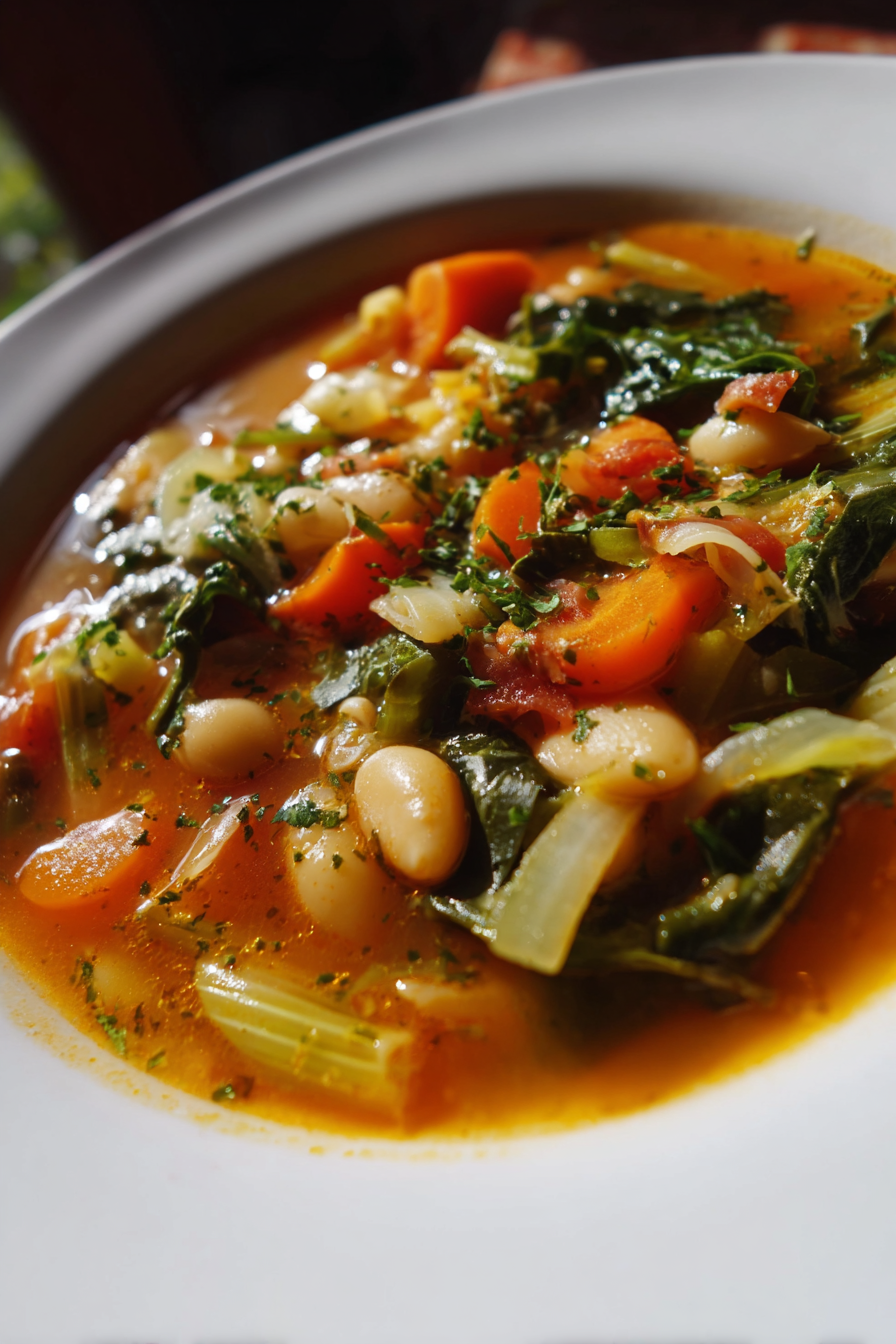
Discover a heartwarming and deeply flavorful Easy Minestrone Soup, perfected through years of trials and tweaks. This comforting one-pot meal, packed with vibrant vegetables, hearty beans, and delicate pasta, offers a wholesome and customizable experience perfect for any chilly evening.
Ingredients
- 2 tbsp Olive oil
- 1 large Yellow onion, chopped
- 2 Carrots, peeled and diced
- 2 Celery stalks, diced
- 3-4 cloves Garlic, minced
- 1 (14.5 oz) can Diced tomatoes (or crushed)
- 6 cups Vegetable broth (or chicken broth)
- 1 (15 oz) can Cannellini beans, rinsed and drained
- 1 (15 oz) can Kidney beans, rinsed and drained
- 1 tsp Dried oregano
- 1/2 tsp Dried basil
- 1/4 tsp Red pepper flakes (optional)
- 1 cup Small pasta (like ditalini, elbow macaroni, or small shells)
- 2 cups Fresh spinach or kale, chopped
- Salt and freshly ground black pepper to taste
- Parmesan cheese, for serving (optional)
- Fresh parsley, chopped, for garnish (optional)
Instructions
-
Heat the olive oil in a large pot or Dutch oven over medium heat.
-
Add the chopped onion, carrots, and celery to the pot. Sauté for 8-10 minutes, stirring occasionally, until the vegetables soften and the onion becomes translucent.
-
Add the minced garlic, dried oregano, dried basil, and red pepper flakes (if using) to the pot. Cook for another 1-2 minutes until fragrant, being careful not to burn the garlic.
-
Pour in the diced (or crushed) tomatoes and vegetable broth. Bring the mixture to a gentle boil, then reduce the heat to low, cover, and let it simmer for 15 minutes to allow the flavors to meld.
-
Stir in the rinsed and drained cannellini and kidney beans.
-
Increase the heat to medium-high and add the small pasta to the soup. Cook according to package directions (usually 7-10 minutes), stirring occasionally, until the pasta is al dente.
-
Once the pasta is cooked, stir in the fresh spinach or kale. Cook for just 1-2 minutes until the greens are wilted.
-
Season the soup generously with salt and freshly ground black pepper to taste.
-
Ladle into bowls and serve hot, garnished with a sprinkle of Parmesan cheese and fresh parsley, if desired.
Nutrition (Per Serving)