
Best Homemade Mac and Cheese
Man, oh man, Best Homemade Mac and Cheese. That dish holds a special place in my heart, mostly because my first few attempts were, well, *catastrophic*. I remember trying to impress my then-boyfriend’s family at a potluck years ago. I thought, “How hard can it be? It’s just pasta and cheese!” I grabbed a fancy-looking recipe online, got all the ingredients, and just… winged it.
The result? A lumpy, separated, kind of greasy mess that looked nothing like the creamy, golden picture. I was so embarrassed, I just tucked it in the back of the buffet line and hoped no one noticed. Of course, someone did, and politely asked, “Oh, what’s… *this*?” I mumbled something about ‘experimental cheese sauce.’
It took a lot of practice, a lot of weird textures, and a lot of honest feedback from friends (who eventually became my taste-testers) to finally nail it. But through all those kitchen fails, I learned so much. Now, this mac and cheese isn’t just a recipe; it’s a testament to perseverance, a warm hug on a plate, and a surefire hit at any gathering. It’s truly become *my* Best Homemade Mac and Cheese.
Recipe Card
| Recipe Title | Best Homemade Mac and Cheese |
|---|---|
| Servings | 8-10 hungry folks (or 4-6 with awesome leftovers) |
| Prep Time | 20 minutes |
| Cooking Time | 30 minutes (plus 20-25 minutes bake time) |
| Calories | Around 450-550 per serving (it’s comfort food, not diet food!) |
Okay, so this isn’t some super-speedy, 15-minute weeknight meal, but it’s totally worth the effort. This recipe is the culmination of years of trial and error, figuring out what makes it truly great. It’s rich, it’s creamy, and it’s got that perfect golden crust on top. Trust me, once you make it this way, you won’t want it any other way.
Ingredients
- 1 pound elbow macaroni (or other short, sturdy pasta)
Seriously, don’t skimp on good pasta. I once used some super-cheap, thin stuff, and it just turned to mush in the sauce. It couldn’t hold up, and the whole dish was just kinda sad.
- 6 tablespoons unsalted butter
Unsalted butter is key here so you can control the saltiness yourself. I made the mistake once of using salted butter with already salty cheese, and my mac and cheese tasted like I spilled the Atlantic Ocean in it. Learn from my salty mistake!
- 1/2 cup all-purpose flour
This is what builds your roux, the base of the magic! I once tried to eyeball this and used way too little, and the sauce was basically just cheesy milk. Not great, Bob.
- 4 cups whole milk, warmed
Whole milk gives you the best, creamiest texture. Don’t even *think* about skim milk unless you want a watery, sad excuse for cheese sauce. Been there, done that, never again. Warm it up gently so it blends into the roux smoother, too.
- 1 teaspoon dry mustard powder
This one might sound weird, but trust me, it’s a game-changer. It doesn’t make your mac and cheese taste like mustard; it just deepens the cheesy flavor. The first time I left it out, the sauce felt like it was missing something, that little *zing*.
- 1 teaspoon salt (plus more for pasta water)
You gotta season every layer of your food, starting with the pasta water. I used to be scared of salt, and my dishes always tasted kinda bland. Now, I know a little salt brings out all the flavors.
- 1/2 teaspoon black pepper
Freshly ground is always best, if you have it. It just adds a little warmth and spice that complements the cheese beautifully.
- 1/4 teaspoon cayenne pepper (optional, but highly recommended for a subtle kick)
This is my secret weapon for adding just a touch of warmth without making it spicy. It brightens everything up. One time, I got a little overzealous and accidentally added a full teaspoon, and my family was chugging milk for dinner. Oops.
- 4 cups (about 1 pound) freshly shredded sharp cheddar cheese
“Freshly shredded” is the most important part of this whole list. Seriously. Pre-shredded cheese has anti-caking agents that can make your sauce grainy. I learned this the hard way at that infamous potluck. Shredding cheese is a pain, but it’s *so* worth it.
- 2 cups (about 1/2 pound) freshly shredded Gruyere or Monterey Jack cheese
This is where you get that extra melty, slightly nutty flavor. Gruyere is fantastic, but Monterey Jack works great too for a milder, creamier melt. I once tried using only cheddar, and it was good, but this blend makes it spectacular.
- 1/2 cup panko breadcrumbs (for topping, optional but adds a nice crunch)
A little textural contrast is amazing. Panko gets super crispy in the oven. I’ve forgotten this step before and missed the crunch, so now I always add it.
- 2 tablespoons melted butter (for topping, if using breadcrumbs)
This helps the breadcrumbs get golden brown and irresistible. Skipping it leaves you with sad, pale breadcrumbs.
Directions
- Preheat your oven to 375°F (190°C). Grease a 9×13 inch baking dish.
- Bring a large pot of salted water to a rolling boil. Add the macaroni and cook according to package directions until al dente (a little firm). Drain well and set aside.
- While the pasta cooks, melt 6 tablespoons of butter in a large saucepan or Dutch oven over medium heat.
- Once the butter is melted and bubbly, whisk in the flour. Cook, stirring constantly, for 2-3 minutes until a light golden roux forms and smells a little nutty. This helps cook out the flour taste.
- Slowly whisk in the warmed milk, a little at a time, until completely smooth. Continue whisking as the sauce thickens, about 5-7 minutes.
- Remove the pan from the heat. Stir in the mustard powder, salt, pepper, and cayenne pepper (if using).
- Add the shredded cheddar and Gruyere/Monterey Jack cheeses, a handful at a time, stirring until completely melted and smooth before adding more. Do not return the pan to the heat while adding cheese, or it might separate.
- Add the drained macaroni to the cheese sauce and stir to coat evenly.
- Pour the mac and cheese mixture into the prepared baking dish.
- If using breadcrumbs for topping, combine the panko with 2 tablespoons melted butter. Sprinkle evenly over the top of the mac and cheese.
- Bake for 20-25 minutes, or until bubbly and golden brown on top. Let it rest for 5-10 minutes before serving.
Okay, let’s talk about step 4 and 5, the roux and milk. This is where I messed up *so many times*. My first few attempts, I’d rush the roux, not cook the flour enough, and the sauce would have this weird raw flour taste. Or, I’d burn it completely, and the whole batch tasted like a campfire. Cook it low and slow, till it’s just a light blonde, smelling kinda like popcorn. That’s your sweet spot.
And then adding the milk (step 5). Oh, man. I used to just dump all the cold milk right into the hot roux. Instant lumps. A lumpy sauce is a sad sauce. Now, I always warm my milk a bit first, and then I whisk it in *slowly*, like a gentle drizzle. It takes longer, but it’s the difference between a silky-smooth sauce and a cottage cheese nightmare. Seriously, this step is crucial for “Best Homemade Mac and Cheese.”
After making this “Best Homemade Mac and Cheese” probably a hundred times (no exaggeration), it’s become more than just an easy dinner; it’s a comfort food staple. There was this one time, my friend had a really rough week, and I just showed up with a big casserole dish of this. Seeing her face light up, that’s what it’s all about for me. It’s definitely a family favorite now, and even picky eaters usually devour it.
I love that it works really well for a crowd, too. It’s hearty enough to be a main dish, or it makes a fantastic side. Leftovers are amazing, though honestly, we rarely have any. If you do, it reheats pretty well in the microwave with a splash of milk to loosen it up. Sometimes I think about making a healthy swap, like adding veggies, but then I remember it’s mac and cheese, and I just let it be its glorious, cheesy self. Maybe next time I’ll try a new cheese blend, just to experiment, but this core recipe is a keeper.
Nutrition Info (per serving)
| Calories | Carbs | Fat | Protein |
|---|---|---|---|
| ~500 | ~45g | ~30g | ~20g |
Yeah, the nutrition info probably doesn’t surprise anyone – it’s mac and cheese, not a salad! It’s definitely a treat, not an everyday health food, and that’s totally okay. I mean, you’re not eating this for the kale, right? I’ve dabbled in trying to make it lighter over the years. I tried low-fat cheese once, and it didn’t melt right, ending up grainy and just… off. Skim milk resulted in a watery, flavorless sauce that was profoundly disappointing. If you’re looking for lighter, honestly, I’d say just have a smaller portion of the good stuff. For special diets, you can definitely use gluten-free pasta (it works great!), but for dairy-free, you’d basically be making a completely different dish, and that’s a whole other adventure.
Ingredient Swaps
| Ingredient | Substitution |
|---|---|
| Elbow Macaroni | Cavatappi, shells, penne, or other short, sturdy pasta |
| Whole Milk | 2% milk (will be slightly less rich) |
| Sharp Cheddar | Medium cheddar, white cheddar, or a mix |
| Gruyere | Monterey Jack, Fontina, or another good melting cheese |
| Panko Breadcrumbs | Crushed Ritz crackers or plain breadcrumbs |
Alright, so about these swaps. The pasta one is pretty forgiving. I’ve used shells and cavatappi, and they both hold the sauce really well. Just avoid anything too small or thin. As for milk, 2% works, but you *will* notice a difference in richness. It won’t be quite as luxurious. But for sure, no skim milk. I tried that one time for a “healthier” version, and it just tasted like cheesy water.
Cheese swaps are where you can really play. I love the sharp cheddar and Gruyere combo, but I’ve used white cheddar with success, and Monterey Jack is fantastic for a super-melty, mild flavor. I once tried to use some smoked gouda that I loved, thinking it’d be amazing. It was… interesting. A little *too* smoky, it kinda overpowered everything. So stick to good melting cheeses, and consider their strength of flavor. Crushed Ritz crackers for the topping? Oh my goodness, that’s a whole other level of salty, buttery crunch. Highly recommend if you want to get decadent.
Tips
- **Shred your own cheese:** This is probably the most important tip. Pre-shredded cheese has anti-caking agents (cellulose, potato starch) that prevent clumping in the bag, but they also prevent your cheese from melting smoothly into a luscious sauce. You’ll end up with a grainy, weird texture. Seriously, just take the extra 5-10 minutes.
- **Use room temperature or warm milk:** Adding cold milk to a hot roux can shock it and make it seize up, leading to lumps. Gently warming the milk beforehand (or at least letting it sit out for a bit) helps it incorporate smoothly into your roux, giving you a silky sauce.
- **Add cheese off the heat, slowly:** High heat can cause the cheese to separate into an oily mess. Remove your sauce from the heat, and then add the cheese in small handfuls, stirring until each batch is fully melted before adding the next. Patience is a virtue here.
- **Don’t overcook your pasta:** Your pasta is going to bake in the oven, so you want it slightly al dente before it even hits the sauce. If it’s too soft to begin with, it’ll turn to mush in the oven. Nobody wants mushy mac and cheese!
- **Season throughout:** Don’t be afraid of salt and pepper. Season your pasta water, season your roux, and season your sauce. Building layers of flavor makes a huge difference.
Okay, about that “shred your own cheese” tip. I know, it’s a chore. And for years, I scoffed at it. I was like, “Nah, pre-shredded is fine, it’s just cheese!” Well, let me tell ya. I was making this for a big family dinner, and I was in a rush. Grabbed two bags of pre-shredded cheddar and Monterey Jack. Everything seemed fine until I added the cheese to the sauce. It just… never got smooth. It was like little bits of cheese suspended in a milky liquid, kind of oily, kind of grainy. It was edible, but it wasn’t that dreamy, creamy Best Homemade Mac and Cheese I knew. My aunt, bless her heart, asked me if I used “store-bought shredded cheese.” I was busted. That day, I learned my lesson. It’s worth the extra few minutes, every single time. It truly is a game-changer for a silky sauce.
FAQ
**Q: My cheese sauce is lumpy. What did I do wrong?**
A: Oh, I’ve been there so many times! It’s usually one of three things. First, you might not have cooked your roux enough, leaving flour clumps. Second, you might have added cold milk too fast to the hot roux, which makes it seize up. Add warm milk slowly, whisking constantly! And third, if you used pre-shredded cheese, those anti-caking agents can make it grainy and prevent a smooth melt.
**Q: Can I make this ahead of time?**
A: You sure can! You can assemble the whole thing, put it in the baking dish, and then cover it and refrigerate it for up to 24 hours. When you’re ready to bake, let it sit out on the counter for about 30 minutes to come to room temp, then bake as directed. You might need to add an extra 5-10 minutes to the bake time if it’s still cold from the fridge. Just a heads up, the sauce might thicken a bit more after chilling, so it might not be quite as “pourable” as fresh.
**Q: What are the best cheeses to use?**
A: For me, a sharp cheddar is a must. It gives that classic, tangy mac and cheese flavor. Then, I love to pair it with a good melting cheese like Gruyere for nuttiness, or Monterey Jack for super-creaminess. I’ve also had great success with Fontina or even some provolone for an Italian twist. I always recommend a blend for the best flavor and texture, but just make sure they’re cheeses that melt well and you *shred them yourself*!
**Q: My mac and cheese turned out dry after baking. What happened?**
A: This is a common one, and I’ve overbaked many a dish! It usually happens because it’s baked too long, causing the sauce to evaporate or get absorbed too much by the pasta. Make sure you cook your pasta al dente, not mushy, so it doesn’t soak up too much liquid. Also, ensure your sauce is pretty generous before baking – you want it almost soupy, as it will thicken. If you’re reheating leftovers and it’s dry, just add a splash of milk and microwave it gently to bring back some creaminess.
**Q: Can I freeze homemade mac and cheese?**
A: You *can*, but I wouldn’t recommend it if you want that perfect texture. Pasta tends to get a bit soft and mushy after freezing and thawing, and the sauce can sometimes separate and get a little grainy. If you absolutely have to, bake it first, let it cool completely, then freeze individual portions in airtight containers. Thaw overnight in the fridge and reheat gently in the microwave or oven, adding a splash of milk if needed. It’ll still be tasty, just not quite the same as fresh.
That’s everything I know about making Best Homemade Mac and Cheese! Hope you give it a try. And if you mess it up, you’re in good company—I still do it sometimes. But each time you learn something new, and that’s the real magic of home cooking. Enjoy!
Best Homemade Mac and Cheese
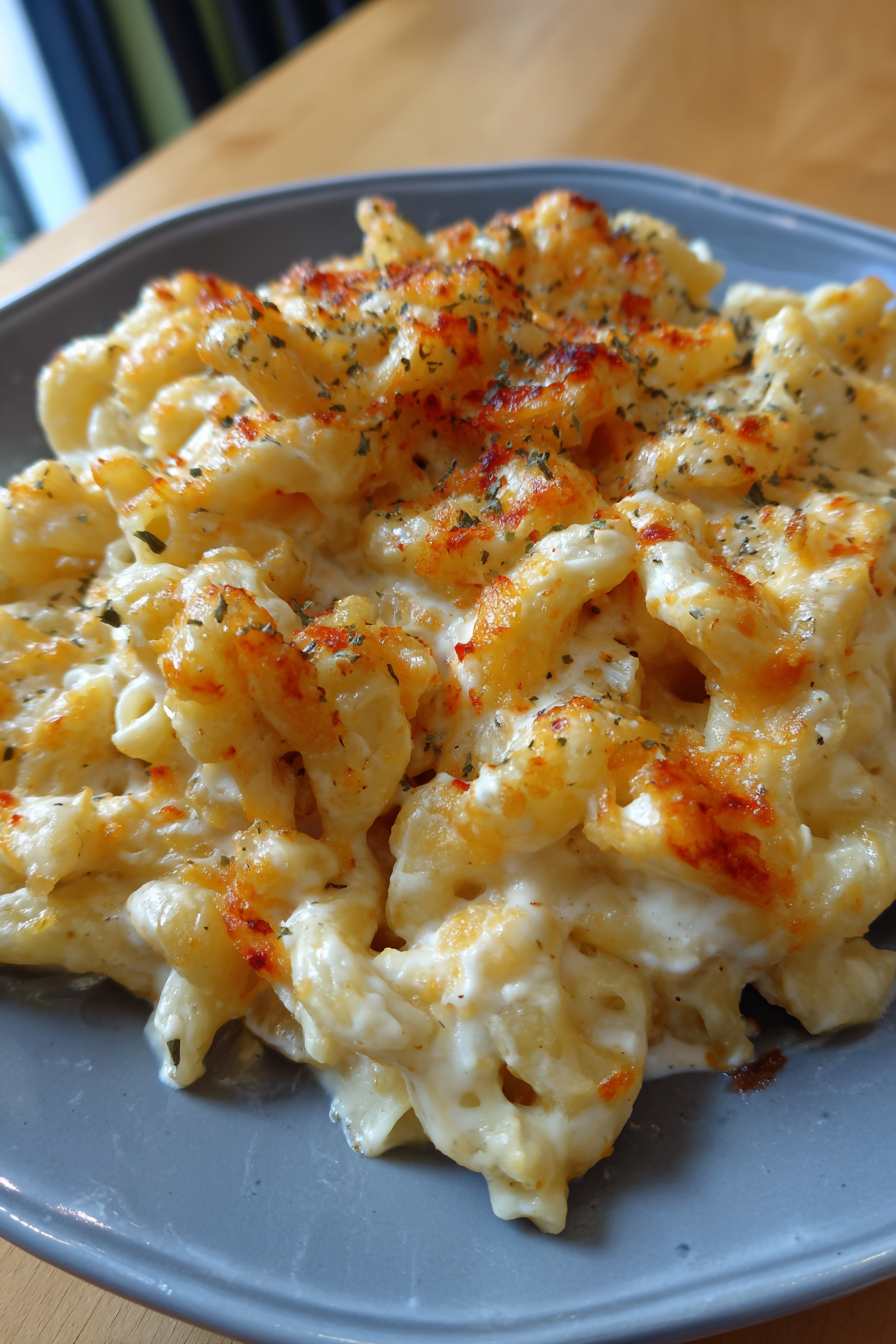
This beloved recipe for homemade mac and cheese is the culmination of years of trial and error, promising a rich, creamy, and comforting dish with a perfect golden crust. It’s a surefire hit for any gathering and a testament to perfecting a classic comfort food.
Ingredients
- 1 pound elbow macaroni (or other short, sturdy pasta)
- 6 tablespoons unsalted butter
- 1/2 cup all-purpose flour
- 4 cups whole milk, warmed
- 1 teaspoon dry mustard powder
- 1 teaspoon salt (plus more for pasta water)
- 1/2 teaspoon black pepper
- 1/4 teaspoon cayenne pepper (optional)
- 4 cups (about 1 pound) freshly shredded sharp cheddar cheese
- 2 cups (about 1/2 pound) freshly shredded Gruyere or Monterey Jack cheese
- 1/2 cup panko breadcrumbs (for topping, optional)
- 2 tablespoons melted butter (for topping, if using breadcrumbs)
Instructions
-
1. Preheat your oven to 375°F (190°C). Grease a 9×13 inch baking dish.
-
2. Bring a large pot of salted water to a rolling boil. Add the macaroni and cook according to package directions until al dente (a little firm). Drain well and set aside.
-
3. While the pasta cooks, melt 6 tablespoons of butter in a large saucepan or Dutch oven over medium heat.
-
4. Once the butter is melted and bubbly, whisk in the flour. Cook, stirring constantly, for 2-3 minutes until a light golden roux forms and smells a little nutty. This helps cook out the flour taste.
-
5. Slowly whisk in the warmed milk, a little at a time, until completely smooth. Continue whisking as the sauce thickens, about 5-7 minutes.
-
6. Remove the pan from the heat. Stir in the mustard powder, salt, pepper, and cayenne pepper (if using).
-
7. Add the shredded cheddar and Gruyere/Monterey Jack cheeses, a handful at a time, stirring until completely melted and smooth before adding more. Do not return the pan to the heat while adding cheese, or it might separate.
-
8. Add the drained macaroni to the cheese sauce and stir to coat evenly.
-
9. Pour the mac and cheese mixture into the prepared baking dish.
-
10. If using breadcrumbs for topping, combine the panko with 2 tablespoons melted butter. Sprinkle evenly over the top of the mac and cheese.
-
11. Bake for 20-25 minutes, or until bubbly and golden brown on top. Let it rest for 5-10 minutes before serving.
Nutrition (Per Serving)