
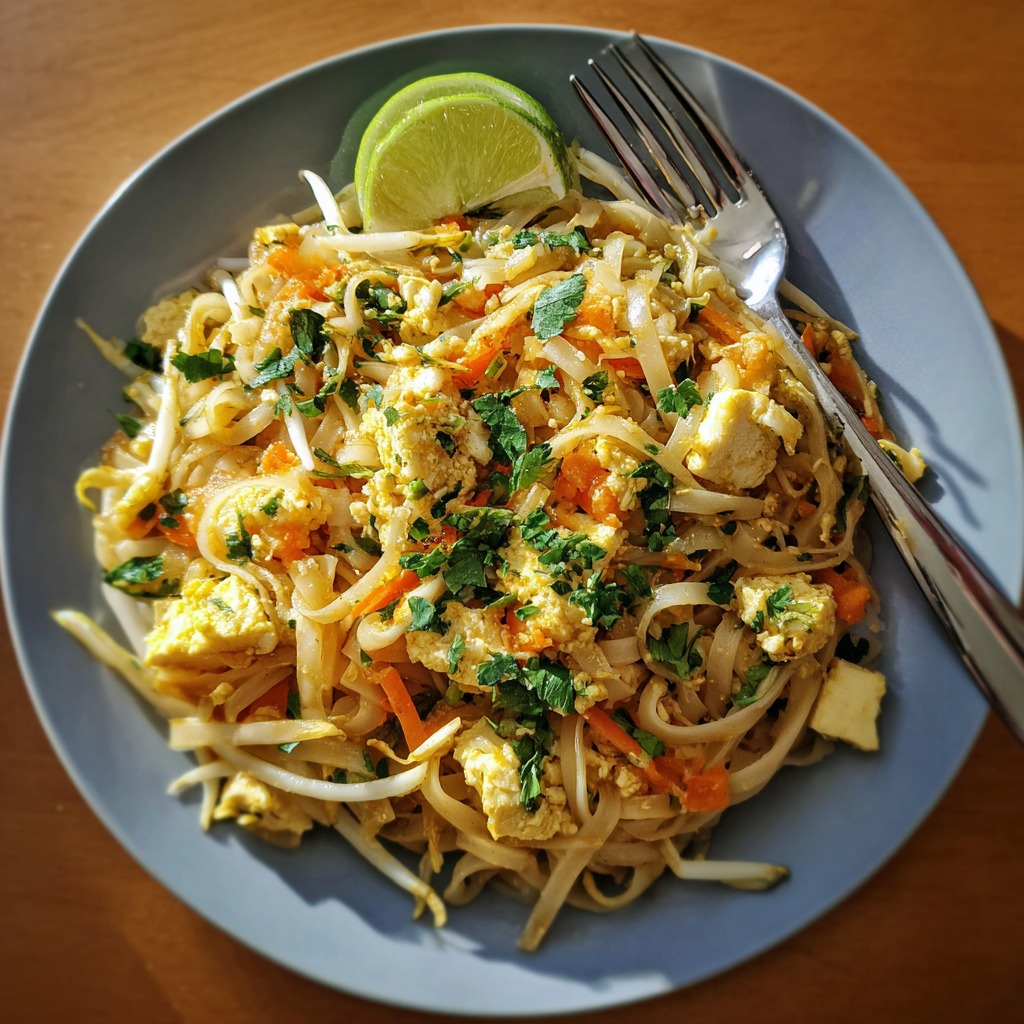
Best Homemade Pad Thai Recipe
Oh man, let me tell you about my first time trying to make Pad Thai at home. It was years ago, a real comedy of errors in my tiny apartment kitchen. I had this romantic idea of whipping up a delicious, authentic dish for a cozy Friday night, you know? Instead, I ended up with noodles that were either stuck in a giant gluey blob or so crunchy they could shatter glass, a sauce that tasted… well, *weird*, and shrimp that looked like rubber bands. It was a disaster so epic, we just ended up laughing and ordering pizza. But that initial failure sparked something in me, a challenge to conquer what I consider the “Best Homemade Pad Thai Recipe.” After countless attempts, some truly horrendous, some pretty darn good, I finally feel like I’ve nailed it. This dish isn’t just a recipe for me; it’s a journey, a testament to not giving up, and now, it’s a family favorite that brings everyone to the table.
Recipe Card
| Recipe Title | Best Homemade Pad Thai Recipe |
|---|---|
| Servings | 4 hungry people |
| Prep Time | 25 minutes |
| Cooking Time | 15 minutes |
| Calories | About 650 per serving |
You know, those prep and cook times on recipe cards are always an *estimate*. For me, the “prep time” often means me running around like a headless chicken, chopping and measuring while trying to keep my toddler from pulling pots off the stove. The first time I tried this, I figured 25 mins prep was ample, but I totally underestimated getting all the ingredients out and prepped *mise en place*. Now, I usually budget a solid 40 minutes for prep, especially if I’m feeling a bit rusty or am using fresh shrimp I need to peel. Cooking time, though, is pretty spot on once you get going; it’s a quick stir-fry, which is kinda what makes it such a great easy dinner for weeknights.
Ingredients
- 8 ounces dried flat rice noodles (about 1/4 inch wide)
- 1/4 cup tamarind paste
- 1/4 cup fish sauce
- 2 tablespoons palm sugar (or brown sugar)
- 1 tablespoon rice vinegar
- 1-2 tablespoons sriracha or chili-garlic sauce (optional, to taste)
- 2 tablespoons vegetable oil, divided
- 8 ounces raw shrimp, peeled and deveined (or chicken breast, sliced thin, or firm tofu, pressed and cubed)
- 2 cloves garlic, minced
- 1 small shallot, minced
- 2 large eggs, lightly beaten
- 2 cups fresh bean sprouts, divided
- 1/2 cup chopped roasted peanuts, divided
- 1/4 cup chopped fresh cilantro, for garnish
- 2 limes, cut into wedges, for serving
Okay, let’s talk ingredients, because each one has a story attached to it, usually involving me messing it up.
Those flat rice noodles? They are the heart of Pad Thai. I can’t tell you how many times I’ve either under-soaked them (crunchy, snapping noodles, totally inedible) or over-soaked them (a mushy, sticky, sad blob that refused to separate). My best advice now is to follow the package directions for “al dente” and then drain immediately, rinse cold, and toss with a tiny bit of oil so they don’t stick.
Tamarind paste is the secret sauce, literally. The first time I made Pad Thai, I couldn’t find it, so I tried using lime juice and a touch of vinegar, thinking it’d be “close enough.” It wasn’t. It lacked that tangy, slightly fruity depth. Now, I always make sure to have it on hand. You can find it in Asian markets or sometimes well-stocked regular grocery stores. Just don’t confuse it with tamarind concentrate – that stuff is way more potent, and a little goes a very, very long way.
Fish sauce, oh man. My husband calls this “stinky sauce,” but it’s essential for that savory umami punch. I once got a little too heavy-handed with it, convinced “more flavor is more better!” and the whole dish was just… overwhelmingly salty and fishy. It tasted like the ocean, but not in a good way. Now I measure it carefully and add a little less if I’m worried, tasting as I go.
Palm sugar is the classic choice, giving a lovely caramel sweetness. But if you can’t find it, light brown sugar works great. I used regular white sugar once, and while it was fine, it just didn’t have that same depth or rounded sweetness. It felt a little flat, almost one-note.
Rice vinegar is key for that bright acidity. I accidentally grabbed white vinegar once, thinking it was the same deal. It was not. White vinegar is too harsh, too sharp, and just threw the whole delicate balance of the sauce off. Stick with rice vinegar, trust me.
Sriracha or chili-garlic sauce is optional, but a must for me. I love a good kick. My biggest mistake here was adding it directly to the pan early on and then finding out it was way spicier than I thought. Now, I always add it to the sauce mixture first, taste a tiny bit, and adjust before it goes into the wok. Or better yet, just serve it on the side for folks to add their own heat.
For the protein, shrimp is my go-to, but I’ve done chicken, tofu, and even just veggies. Whatever you pick, don’t overcrowd the pan, and don’t overcook it! Rubber shrimp is a tragedy. I once decided to cook all the shrimp in one go because I was in a hurry, and it just steamed instead of seared. Bland, sad, bouncy shrimp.
Garlic and shallots are the aromatic foundation. Don’t burn ’em! I’ve been there, thinking “a little extra color never hurt anyone.” Wrong. Burnt garlic tastes bitter and ruins the whole dish. Keep that heat medium-high and stir constantly.
Eggs are for richness and texture. My first few times, I tried to scramble them with everything else in the pan, and they just disappeared into tiny, sad bits. Now, I push everything to one side, pour in the egg, let it set a bit, then scramble it gently before mixing it in.
Bean sprouts, peanuts, cilantro, and lime wedges are NOT just garnishes! They add so much freshness, crunch, and brightness. Forgetting them is like serving a birthday cake without frosting. I once served it without limes, and it felt like something was missing, like the whole dish was waiting for a final zing.
Directions
- Soak the dried rice noodles in hot (not boiling) water for 15-20 minutes, or until al dente and pliable. Drain, rinse with cold water, and toss with a teaspoon of oil to prevent sticking. Set aside.
- While noodles soak, prepare the Pad Thai sauce: In a small bowl, whisk together the tamarind paste, fish sauce, palm sugar, rice vinegar, and sriracha/chili-garlic sauce (if using). Stir until sugar is dissolved.
- Heat 1 tablespoon of vegetable oil in a large wok or skillet over medium-high heat. Add the shrimp (or chicken/tofu) and stir-fry for 2-3 minutes until nearly cooked through. Remove from the wok and set aside.
- Add the remaining 1 tablespoon of vegetable oil to the wok. Add the minced garlic and shallot and stir-fry for 30 seconds until fragrant. Don’t let it burn!
- Push the garlic and shallot to one side of the wok. Pour the beaten eggs into the empty side. Scramble gently until just set, then break into smaller pieces and mix with the aromatics.
- Add the drained noodles to the wok. Pour the prepared Pad Thai sauce over the noodles. Toss everything gently but thoroughly until the noodles are evenly coated and heated through, about 2-3 minutes.
- Return the cooked shrimp (or chicken/tofu) to the wok. Add about 1 cup of the bean sprouts and half of the chopped peanuts. Toss briefly until everything is combined and heated through.
- Remove from heat. Serve immediately, garnished with the remaining fresh bean sprouts, chopped peanuts, fresh cilantro, and lime wedges.
Let’s dig into some of these steps, because they’re where I made the biggest blunders. That first step, soaking the noodles, is deceptively simple. I used to just dump them in boiling water, like regular pasta, and then BAM – mushy, broken noodles. Or, I’d leave them soaking too long because I got distracted by, oh, a cat video on my phone. Now, I set a timer for the *exact* minimum time on the package, then check them. They should be bendy, a little soft, but still have a bite. And that cold rinse and oil toss? Crucial. It stops the cooking process and keeps them from turning into a single, giant, sticky noodle monster.
Step 6, adding the noodles and sauce, is where things can get real. My first few times, I was too aggressive, trying to really “stir” it all in, and ended up breaking the noodles into tiny pieces. It was more like a noodle scramble than a Pad Thai. Now, I use tongs and lift and fold, gently tossing, making sure every strand gets coated without getting battered. It takes a little more finesse, but it’s worth it for those long, beautiful noodles. Also, don’t let the noodles sit in the wok for too long after adding the sauce – they can overcook and get mushy again. It’s a race against time, my friend!
I once tried to add all the bean sprouts and peanuts right at the start of step 7, thinking it’d infuse more flavor. Nope. The bean sprouts just wilted into oblivion and lost all their crunch, and the peanuts got soggy. Now I stick to adding most of the sprouts and half the peanuts at the very end, just for a quick toss, and save the rest for garnish. That way, you get that lovely fresh texture contrast.
Honestly, this “Best Homemade Pad Thai Recipe” has become a total comfort food in our house. It’s got that perfect balance of sweet, sour, salty, and spicy, and it just feels so satisfying. It used to be this big intimidating thing, but now it’s practically on our weekly rotation for an easy dinner. I love that you can customize the protein or even load it up with extra veggies if you want to make it a bit healthier. Plus, leftovers are surprisingly good the next day, which is always a win for busy families, making it a fantastic meal prep option. The only thing I sometimes think about changing is adding a little shredded carrot for color, but then I remember I’m usually too hungry to bother.
Nutrition Info (per serving)
| Calories | Carbs | Fat | Protein |
|---|---|---|---|
| 650 | 70g | 28g | 30g |
This nutrition info kinda surprises me, especially the calories! I mean, I know it’s not a salad, but when you’re thinking of “noodles and veggies,” sometimes you forget about the oil, sugar, and rich sauce. If I want to make it a bit lighter, I’ll sometimes reduce the amount of oil I use, or go really heavy on the bean sprouts and skip some of the peanuts, which are delicious but definitely calorie-dense. For folks with special diets, using pressed tofu makes it vegetarian, and if you’re gluten-free, rice noodles are naturally GF, just double-check your fish sauce brand. I haven’t tried a completely sugar-free version, but I bet a little monk fruit sweetener could work for the palm sugar if you’re watching carbs.
Ingredient Swaps
| Ingredient | Substitution |
|---|---|
| Shrimp | Sliced chicken breast, firm tofu, or extra veggies (broccoli, bell peppers) |
| Tamarind paste | 2 tablespoons lime juice + 1 tablespoon brown sugar + 1 tablespoon rice vinegar (it’s not the same, but it works in a pinch) |
| Palm sugar | Light brown sugar |
| Rice vinegar | Fresh lime juice (for acidity, but less complex flavor) |
Okay, let’s talk real about these swaps. The chicken breast or tofu for shrimp works like a charm. I’ve done it many times, especially if someone in the family isn’t a fan of seafood. Just remember to slice the chicken thin so it cooks fast, and press your tofu well if you want it to actually absorb some flavor and get a nice sear.
Now, for that tamarind paste substitution – let me be brutally honest. That mix of lime, brown sugar, and rice vinegar? It’ll give you a *tangy-sweet* sauce, sure. But it won’t have the unique, deep, almost fruity sourness of real tamarind. It’s like trying to replace a complex symphony with a catchy pop song. It’s *okay* in an emergency, but it lacks that authentic “oomph.” I tried it once when I was out of tamarind, and while my family ate it, they definitely asked what was “different.”
Light brown sugar for palm sugar is a very solid swap. You might lose a tiny bit of the caramel depth, but honestly, most people won’t notice. It’s a good 95% solution. As for swapping rice vinegar for just lime juice, you’ll still get the acidity, but you’ll lose the subtle fermented note that rice vinegar brings. It makes the dish a little brighter, more citrusy, but a bit less rounded in flavor. It’s not a deal-breaker, but it’s a noticeable difference if you’re used to the real deal.
Tips
- **Mise en Place is Your Best Friend:** Have all your ingredients prepped, chopped, and measured *before* you even turn on the stove. This dish cooks fast!
- **Don’t Overcrowd the Wok:** Cook your protein in batches if necessary, and don’t try to cram too many noodles in at once. Overcrowding lowers the temperature and steams rather than fries, leading to soggy results.
- **Taste as You Go (with the Sauce):** The balance of sweet, sour, and savory is key. Taste your sauce before adding it to the noodles and adjust if needed.
- **Use the Right Heat:** Pad Thai loves high heat. Make sure your wok is screaming hot before you add anything, especially your oil for stir-frying.
- **Fresh Garnish is a Must:** Don’t skip the fresh bean sprouts, cilantro, and lime wedges for serving. They add crucial texture and brightness.
Oh, the “mise en place” tip! This one hit me hard. I’m usually a “wing it” kind of cook, tossing ingredients in as I chop them. The first few times I made Pad Thai, I did exactly that. I’d be scrambling to chop the garlic while the shrimp was overcooking, then fumbling with the sauce while the noodles stuck to the pan. It was chaos. The kitchen looked like a tornado hit it, and the food suffered. I ended up with unevenly cooked ingredients and a lot of frantic stirring. Now, I take the extra 15 minutes beforehand to get absolutely everything ready, in little bowls, by the stove. It makes the actual cooking process smooth, enjoyable, and honestly, way less stressful. I wish I’d known this was so critical for stir-fries years ago; it would’ve saved me a lot of burnt aromatics and frantic clean-up!
FAQ
**Q: My noodles always come out sticky or mushy. What am I doing wrong?**
A: Ah, the age-old noodle dilemma! This used to be my biggest headache. Most likely, you’re either over-soaking them or not rinsing them properly after draining. Remember, you want them al dente, not fully cooked. And a cold rinse immediately after draining, followed by a light toss with a tiny bit of oil, is *crucial* to stop them from cooking and clumping up. Another culprit can be overcrowding the wok, which creates too much moisture and turns them gummy. Work in batches if your pan isn’t huge.
**Q: I can’t find tamarind paste! Can I really substitute it?**
A: Okay, let’s be real – the honest answer is “not perfectly.” Tamarind paste has a unique tangy, fruity, slightly sour flavor that’s hard to replicate. You can try that mix of lime juice, brown sugar, and rice vinegar I mentioned in the swaps section. It’ll give you acidity and sweetness, but it won’t have the same depth or complexity. It’ll taste like “noodle dish with a tangy sauce,” but maybe not quite “Pad Thai.” I’ve been there, desperate for that flavor, but sometimes you just gotta make do. It’ll still be tasty, just a little different.
**Q: My Pad Thai tastes bland, or too salty, or too sweet. How do I fix the flavor balance?**
A: This happens to all of us, me included! Pad Thai is all about that beautiful balance of sweet, sour, salty, and spicy. If it’s bland, you likely need more fish sauce (for saltiness and umami) or maybe a bit more tamarind paste or lime juice for brightness. If it’s too salty, a squeeze of fresh lime juice and a pinch of sugar can sometimes cut through it. If it’s too sweet, more lime juice or a dash of rice vinegar can help. The key is to taste the sauce *before* you add it to the noodles, and then again after everything is mixed. Don’t be afraid to adjust a tiny bit at a time. I once thought my sauce was perfect, then added it and realized it was way too sweet; a last-minute generous squeeze of lime saved it!
**Q: Can I make this ahead of time?**
A: You *can*, but it’s really, really best fresh. The noodles tend to absorb the sauce and can get a bit softer, and the fresh crunch of the sprouts and peanuts is lost if it sits too long. If you really want to prep, I’d suggest making the sauce ahead of time and prepping all your ingredients. Then, when it’s dinner time, you just have to do the quick stir-fry. Leftovers are good for lunch the next day, but that fresh-out-of-the-wok experience? Unbeatable.
That’s everything I know about making the Best Homemade Pad Thai Recipe! Hope you give it a try. And if you mess it up, you’re in good company—I still do it sometimes.