
Mac and Cheese Recipe: Easy & Creamy
Oh man, let me tell you about my journey with mac and cheese. For years, I just bought the box stuff, you know? But then I had this friend, Sarah, who always brought the most amazing homemade mac to potlucks, and I was determined to crack the code myself. My very first attempt at “Mac and Cheese Recipe: Easy & Creamy” was… well, let’s just say it was less “creamy” and more “gluey cheese lumps in slightly watery pasta.” I totally tried to take a shortcut with pre-shredded cheese and didn’t really understand how a béchamel worked, and it seized up into this weird, grainy mess. It was so bad, my husband, bless his heart, tried to eat it and then quietly suggested we just order a pizza. But I kept trying, because nothing beats that warm, cheesy hug of a good homemade mac and cheese. After a bunch of tries, some minor disasters, and a few truly glorious victories, I finally landed on this recipe, and it’s become my go-to for comfort food and impressing dinner guests alike.
Recipe Card
| Recipe Title | Mac and Cheese Recipe: Easy & Creamy |
|---|---|
| Servings | 6-8 people (or 2 very hungry people with amazing leftovers) |
| Prep Time | 15 minutes |
| Cooking Time | 25-30 minutes |
| Calories | About 550-650 per serving (this isn’t diet food, folks!) |
Ingredients
- 1 pound elbow macaroni (or other small pasta shape)
- 6 tablespoons unsalted butter
- 1/2 cup all-purpose flour
- 5 cups whole milk, warmed
- 1 teaspoon salt
- 1/2 teaspoon black pepper
- 1/4 teaspoon ground mustard (the powder kind, it’s a secret weapon!)
- Pinch of cayenne pepper (optional, but gives a nice kick)
- 4 cups (about 1 pound) sharp cheddar cheese, freshly grated
- 2 cups (about 1/2 pound) Monterey Jack or Colby cheese, freshly grated
Okay, let’s talk ingredients because each one plays a starring role here. That pound of elbow macaroni? I’ve tried other shapes like cavatappi or even shells, and they’re great, but there’s something classic about elbows. Just don’t overcook it, please, we want it al dente for perfect texture.
The butter and flour are your roux foundation. Don’t skimp on the butter, it’s flavor! And when I say all-purpose flour, I mean it. I once got fancy and tried bread flour, thinking it would make it thicker, but it just tasted off and clumpy. Stick to the basics.
Warmed whole milk is crucial. This is one of those little steps that makes a huge difference. I used to just pour cold milk right from the fridge into the hot roux, and it would seize up, get lumpy, and take forever to come together smoothly. Trust me, a quick zap in the microwave or warming it gently on the stove while your roux cooks is worth it. And whole milk? Absolutely. I tried 2% once, and the sauce was noticeably thinner, not nearly as rich. Skim milk? Forget about it, that’s mac and cheese blasphemy in my kitchen.
Salt, pepper, ground mustard, and cayenne are your flavor builders. The ground mustard is a game-changer; it doesn’t make it taste like mustard, but it seriously deepens the cheese flavor. I thought it was weird the first time I saw it in a recipe, but now I swear by it. And the cayenne? Just a pinch adds a little warmth without making it spicy, but you can skip it if you’re not into it, especially if you’re cooking for super sensitive palates like my niece.
Now, the cheese. Oh, the cheese! Freshly grated is non-negotiable, my friends. I used to buy the pre-shredded stuff because it was easy, but it has anti-caking agents that make it melt weird, kind of gritty and clumpy. It just doesn’t get that silky smooth sauce we’re after. Grating it yourself takes an extra few minutes, but it’s 100% worth it for that glorious, creamy result. Sharp cheddar is a must for flavor, and the Monterey Jack or Colby adds a fantastic meltiness without overpowering the cheddar. I’ve tried all sorts of combos, and this one hits the sweet spot every time.
Directions
- Cook the macaroni according to package directions until al dente. Drain well and set aside.
- While pasta cooks, melt the butter in a large, heavy-bottomed pot or Dutch oven over medium heat.
- Once butter is melted and bubbly, sprinkle in the flour. Whisk constantly for 1-2 minutes to create a smooth roux. It should smell a bit nutty.
- Slowly, gradually, whisk in the warmed whole milk, a little at a time, until completely smooth and lump-free. Keep whisking!
- Bring the sauce to a gentle simmer, whisking occasionally. Let it simmer for 5-7 minutes, or until it has thickened enough to coat the back of a spoon.
- Remove the pot from the heat. Stir in the salt, pepper, ground mustard, and cayenne pepper (if using).
- Add the freshly grated cheeses in handfuls, stirring well after each addition until fully melted and smooth. Don’t dump it all in at once!
- Once all the cheese is melted and the sauce is creamy and velvety, add the drained macaroni to the pot.
- Stir gently until all the macaroni is evenly coated with that glorious cheese sauce.
- Serve immediately and enjoy!
Alright, let’s talk about those directions because there are a few places where I’ve totally messed up in the past. That first step, cooking the macaroni to al dente? It’s so important! One time I got distracted by a phone call and overcooked the pasta, and by the time I mixed it with the sauce, it was mushy. Nobody wants mushy mac and cheese. It becomes a sad, shapeless blob. So, set a timer and check it!
The roux (butter and flour mix) in step 3 is your best friend or your worst enemy. I remember the first time I made it, I didn’t whisk enough, and I ended up with these little pockets of uncooked flour in my sauce. It was gritty and just awful. Whisk, whisk, whisk! Make sure it cooks for a minute or two; it takes away that raw flour taste. It should look like a pale, sandy paste and smell a bit like popcorn.
Step 4, adding the milk slowly, is where I learned a huge lesson. My very first attempt, I just poured all the cold milk in at once. Big mistake. The hot roux immediately seized up, got super lumpy, and no amount of whisking seemed to fix it. It was like trying to mix oil and water that decided they hated each other. So now, I add a little, whisk until it’s smooth, add a little more, and keep going. It feels tedious, but it saves so much heartache. Using *warmed* milk here helps too, so it doesn’t shock the roux as much.
And adding the cheese, step 7, that’s another spot for potential disaster. My worst fail was adding all the cheese at once to a sauce that was still simmering vigorously on the stove. It just clumped up and turned into this greasy, stringy mess that wouldn’t melt properly. The cheese oils separated, and it was just… sad. Remove it from the heat, add the cheese in handfuls, and stir patiently until each batch melts smoothly before adding more. This keeps the sauce silky and prevents it from breaking. This step is all about gentle love, not aggression!
After all that trial and error, getting this recipe right felt like a huge win. This isn’t just a recipe to me; it’s a staple. It’s what I make when my family needs a hug in a bowl, or when I’m just craving ultimate comfort food after a long week. It’s an easy dinner that feels special, and it always gets rave reviews.
I love it because it’s a family favorite that everyone devours, including my picky nephew. The leftovers are fantastic too – sometimes I even think they taste better the next day after the flavors have had more time to meld. I wouldn’t really call this a “one-pot” meal because you do cook the pasta separately, but it’s pretty close. And while I’ve thought about “healthy swaps” like using whole wheat pasta or trying to sneak in some pureed veggies, honestly, for *this* dish, I usually just stick to the classic. This is my indulgence, and I embrace it fully.
Nutrition Info (per serving)
| Calories | Carbs | Fat | Protein |
|---|---|---|---|
| 600 | 60g | 35g | 25g |
Okay, so that nutrition info probably doesn’t surprise anyone who loves real, homemade mac and cheese as much as I do. It’s definitely not a light meal, and that’s perfectly fine by me! This is pure comfort, meant for special occasions or when you really need a treat. I haven’t really tried to make it lighter in a way that I’d still call it *this* mac and cheese. I’ve seen recipes that use cottage cheese or Greek yogurt, but that just feels like a completely different dish to me, and frankly, it doesn’t hit the same spot. For people with special diets, you could probably try gluten-free pasta, but the cheese and dairy content means it’s not going to be dairy-free or low-fat. My advice? Enjoy it for what it is, maybe just a smaller portion, and pair it with a big green salad. Balance, right?
Ingredient Swaps
| Ingredient | Substitution |
|---|---|
| Elbow Macaroni | Cavatappi, Shells, Penne |
| Sharp Cheddar | Medium Cheddar, Gruyere, Smoked Gouda |
| Monterey Jack/Colby | Fontina, Havarti, Cream Cheese (a block, not spread!) |
| Whole Milk | Evaporated Milk (for extra creaminess!) |
| Ground Mustard | Dry Sherry or White Wine (a splash, for depth) |
| Cayenne Pepper | A dash of hot sauce or a pinch of red pepper flakes |
When it comes to ingredient swaps, I’ve experimented a lot, some with great success, and others… not so much. Different pasta shapes generally work fine. Cavatappi holds the sauce beautifully, and shells are fun. I once tried fusilli, and it was okay, but the sauce didn’t cling as nicely as I’d hoped.
Cheese swaps are where you can really play! Gruyere adds a sophisticated, nutty flavor that I love, especially if I’m serving it to grown-ups. Smoked gouda is amazing for a deeper, smokier taste. Fontina or Havarti are excellent for meltiness, maybe even better than Monterey Jack sometimes, giving it an extra smooth finish. I’ve even added a block of cream cheese once – just a few ounces melted into the sauce at the end – and it made it outrageously creamy, but also a bit heavier. I wouldn’t recommend pre-shredded “cheddar blend” though, it’s just not the same.
Evaporated milk is a fantastic swap for whole milk if you want an even creamier, almost velvety sauce. It adds a richness that’s hard to beat! I tried almond milk once, thinking I could make it dairy-free, and it was a complete flop. The texture was watery, and the flavor was just… off. Plant-based milks usually don’t have the fat content needed for a truly rich béchamel, and sometimes they curdle. Lesson learned: stick to dairy for this one.
A splash of dry sherry or white wine instead of ground mustard can add a really interesting depth of flavor, especially with a sharp cheddar or Gruyere. It’s not quite the same umami boost as mustard powder, but it’s a good alternative if you want to elevate it for a dinner party. And for a kick, a few drops of your favorite hot sauce or some red pepper flakes totally works if you don’t have cayenne.
Tips
- **Grate Your Own Cheese:** Seriously, it’s worth the extra effort for a super smooth, creamy sauce.
- **Warm Your Milk:** Cold milk can shock the roux and lead to lumps. A quick warm-up prevents this.
- **Don’t Overcook the Pasta:** Al dente is key! It’ll continue to cook slightly in the hot sauce.
- **Add Cheese Off Heat, Gradually:** This prevents the cheese from clumping or turning greasy.
- **Whisk, Whisk, Whisk:** Especially when making the roux and adding the milk, consistent whisking is your friend for a lump-free sauce.
These tips are basically a highlight reel of all my past failures, condensed into helpful advice! That first tip about grating your own cheese? I wish someone had screamed that at me years ago. I spent too long wondering why my mac and cheese always had that slightly grainy, weird texture, even when I followed everything else. It was the pre-shredded stuff all along! The anti-caking agents are the enemy of creamy cheese sauce. My “aha!” moment came when I finally grated a block of cheddar, and the sauce was unbelievably smooth. Never again will I buy pre-shredded for this recipe.
And the warmed milk and adding cheese off heat, gradually? Those are the two big ones that used to give me so much grief. I can’t tell you how many times I ended up with a split sauce or a lumpy mess because I was impatient or didn’t understand the science behind it. I’d rush and pour cold milk into the hot roux, or dump a mountain of cheese into a boiling sauce. The sauce would break, turn greasy, or just refuse to become smooth. It was so frustrating. Now, I always warm the milk in a separate pot or the microwave and take the pot off the heat before adding the cheese slowly. It takes a tiny bit longer, but it saves so much frustration and guarantees a perfect result every single time.
FAQ
**Q: Why is my cheese sauce lumpy or grainy?**
A: Oh, I’ve been there! Usually, it’s one of a few things: either you didn’t cook your roux long enough (raw flour taste is no fun), you added cold milk too quickly to the hot roux (always warm your milk!), or you added your cheese too fast or when the sauce was still too hot (take the pot off the heat and add cheese in batches!). Another big culprit is using pre-shredded cheese; those anti-caking agents just don’t melt right. Freshly grate your cheese, friend!
**Q: Can I make this ahead of time?**
A: You totally can, but with a caveat. The pasta will soak up more sauce as it sits, so it’ll be thicker. If you’re making it a few hours ahead for a party, it’s fine. For making it the day before, you might want to slightly undercook your pasta so it doesn’t get too soft. When reheating, I always add a splash or two of milk and warm it gently on the stovetop or in the microwave, stirring frequently, to bring back that creaminess. Don’t blast it or it’ll separate!
**Q: How do I store and reheat leftovers?**
A: Leftovers are amazing! Store them in an airtight container in the fridge for up to 3-4 days. For reheating, the microwave works in a pinch, but I prefer the stovetop. Put your mac and cheese in a pan over low heat, add a splash of milk (about 1-2 tablespoons per serving), and stir gently until it’s warmed through and creamy again. Avoid high heat; that’s how you get greasy, separated mac and cheese.
**Q: Can I bake this mac and cheese?**
A: You absolutely can, and it’s delicious! Once you’ve mixed the pasta with the sauce, pour it into a buttered 9×13 inch baking dish. If you want, top it with more cheese or some buttered breadcrumbs (my favorite!). Bake in a preheated oven at 375°F (190°C) for about 20-25 minutes, or until bubbly and the topping is golden brown. Just be careful not to dry it out! I usually prefer the stovetop version for ultimate creaminess, but baked is great for a crispy crust.
That’s everything I know about making Mac and Cheese Recipe: Easy & Creamy! Hope you give it a try. And if you mess it up, you’re in good company—I still do it sometimes.
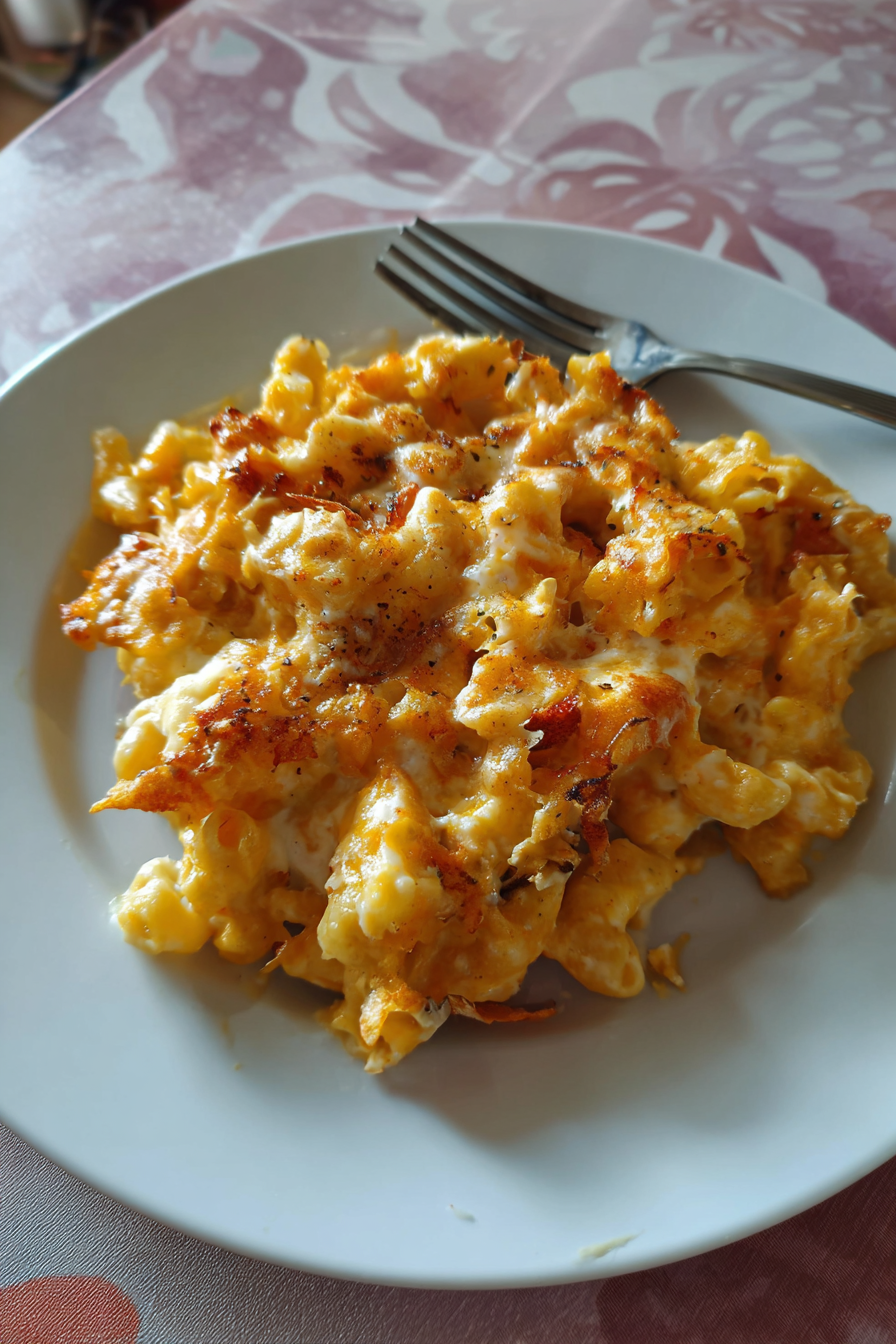
Mac and Cheese Recipe: Easy & Creamy
Unlock the secret to a perfect, velvety smooth homemade mac and cheese with this easy-to-follow, tried-and-true recipe. Say goodbye to grainy sauces and hello to ultimate comfort food perfection.
Ingredients
- 1 pound elbow macaroni (or other small pasta shape)
- 6 tablespoons unsalted butter
- 1/2 cup all-purpose flour
- 5 cups whole milk, warmed
- 1 teaspoon salt
- 1/2 teaspoon black pepper
- 1/4 teaspoon ground mustard (powder kind)
- Pinch of cayenne pepper (optional)
- 4 cups (about 1 pound) sharp cheddar cheese, freshly grated
- 2 cups (about 1/2 pound) Monterey Jack or Colby cheese, freshly grated
Instructions
-
Cook the macaroni according to package directions until al dente. Drain well and set aside.
-
While pasta cooks, melt the butter in a large, heavy-bottomed pot or Dutch oven over medium heat.
-
Once butter is melted and bubbly, sprinkle in the flour. Whisk constantly for 1-2 minutes to create a smooth roux. It should smell a bit nutty.
-
Slowly, gradually, whisk in the warmed whole milk, a little at a time, until completely smooth and lump-free. Keep whisking!
-
Bring the sauce to a gentle simmer, whisking occasionally. Let it simmer for 5-7 minutes, or until it has thickened enough to coat the back of a spoon.
-
Remove the pot from the heat. Stir in the salt, pepper, ground mustard, and cayenne pepper (if using).
-
Add the freshly grated cheeses in handfuls, stirring well after each addition until fully melted and smooth. Do not dump it all in at once!
-
Once all the cheese is melted and the sauce is creamy and velvety, add the drained macaroni to the pot.
-
Stir gently until all the macaroni is evenly coated with that glorious cheese sauce.
-
Serve immediately and enjoy!
Nutrition (Per Serving)